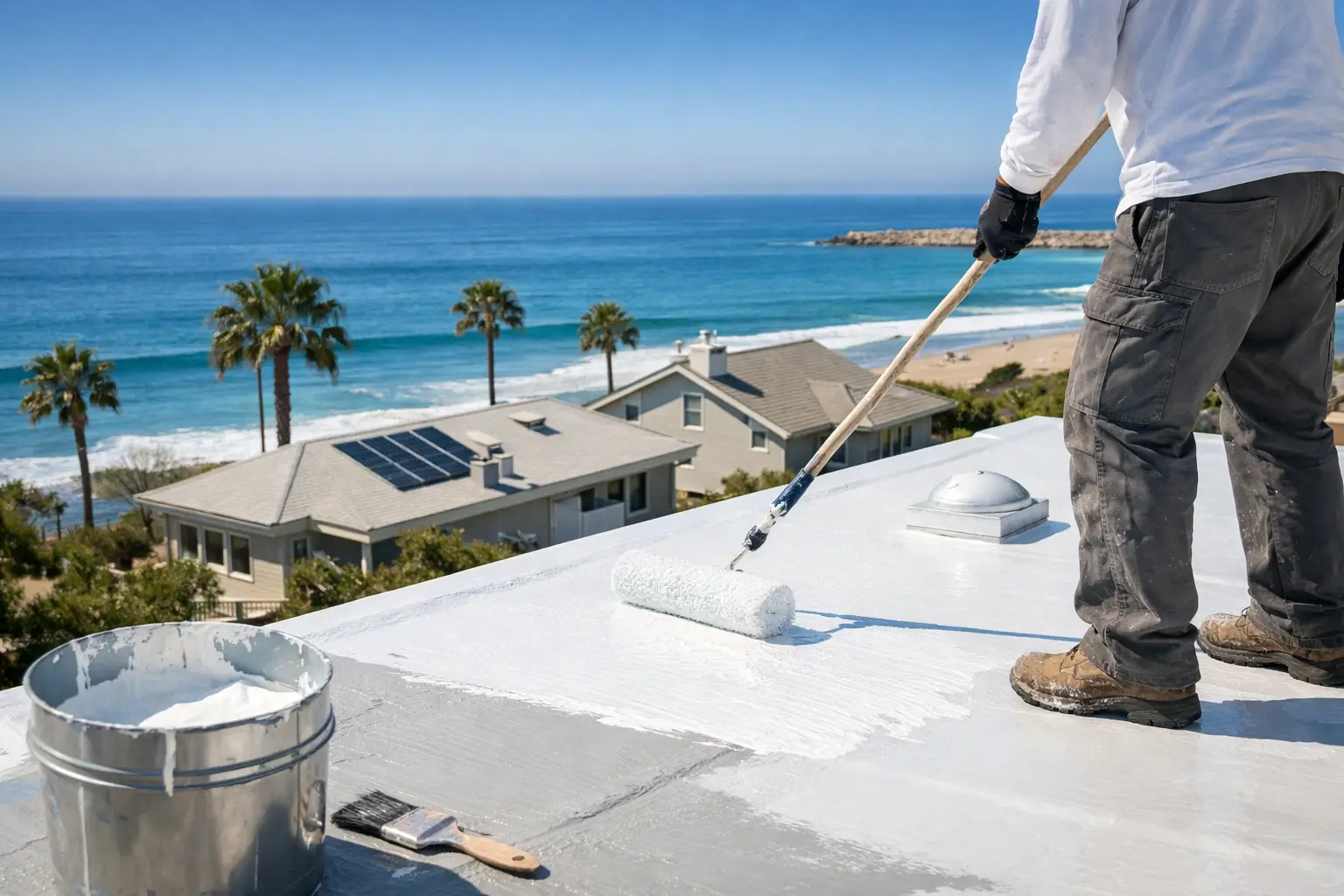
A roof coating review matters most when the roof still has life left in it, but the signs of wear are getting harder to ignore. In Corpus Christi and across the Coastal Bend, that usually means heat, UV exposure, wind-driven rain, ponding water on low-slope sections, and salt air working on every vulnerable seam and surface. A coating can be a smart investment, but it is not a cure-all. The real question is whether it fits the roof you have, the condition it is in, and the years of service you expect from it.
What a roof coating review should actually tell you
A good review of roof coatings should go beyond product claims. Property owners hear words like reflective, waterproof, and energy-saving all the time, but those benefits depend heavily on preparation, substrate condition, and application quality. If the roof has active leaks from failed flashing, widespread trapped moisture, saturated insulation, or structural movement, a coating alone will not fix the root problem.
That is where many buyers get disappointed. They think they are paying for a new roof when they are really paying for a restoration layer. On the right roof, that can be a very practical move. On the wrong roof, it only delays a larger repair.
For most residential and commercial owners, the value of a coating comes down to three things: extending service life, reducing surface heat, and improving weather resistance without the cost and disruption of a full tear-off. Those are real advantages, especially for low-slope systems. But they only hold up if the roof is a good candidate in the first place.
Roof coating review: where coatings perform well
Coatings tend to perform best on low-slope or flat roofs that are fundamentally sound but weathered. That includes many commercial buildings, additions, patio covers, and some residential sections where the membrane or existing surface is aging but still stable. If seams are intact, drainage is manageable, and the deck below is dry, a coating can add a new protective layer and buy meaningful time.
In hot South Texas conditions, reflectivity is another practical benefit. A white or light-colored coating can lower roof surface temperatures and reduce thermal stress. That does not mean every building will see dramatic utility savings, but it can help reduce heat gain and slow material breakdown caused by constant sun exposure.
Some coatings also work well as part of a maintenance strategy. Instead of waiting for a roof system to fail outright, owners can restore and protect it before damage spreads. For commercial properties in particular, that can mean less downtime, fewer disruptions to tenants or operations, and a more controlled budget.
Where roof coatings fall short
This is the part that often gets skipped in sales conversations. Roof coatings are not ideal for every roof type or every condition. On steep-slope shingle roofs, coatings are usually not the right approach unless a very specific system is designed for that purpose. On tile or slate roofs, a coating may interfere with the way the roof is meant to shed water and breathe. On heavily deteriorated roofs, coating over damage can hide problems instead of solving them.
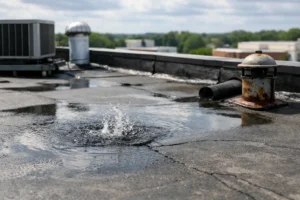
Ponding water is another factor. Some coating types tolerate standing water better than others, and some fail early when water sits too long. In a coastal market where sudden heavy rain is common, drainage design matters as much as the coating itself. If the slope is poor or drains are blocked, a coating may not perform the way the manufacturer promises.
There is also the issue of expectations. A coating can extend a roof’s life, but it does not turn an old roof into a brand-new assembly. If your goal is a long-term reset with upgraded materials and warranties tied to a full system replacement, a coating may not get you there.
The main coating types and the trade-offs
A proper roof coating review should touch on material differences because not all coatings handle coastal exposure the same way.
Acrylic coatings are popular because they are cost-effective, highly reflective, and often a solid fit for warm climates. They can perform well on roofs with good drainage, but standing water can shorten their life. For many owners, acrylic is attractive because it offers a practical balance of cost and performance without overcomplicating the project.
Silicone coatings are often chosen when ponding water is a concern. They hold up well against moisture and UV exposure, which makes them appealing for flat roofs in harsh sun. The trade-off is that they can attract dirt over time, which may reduce reflectivity, and future recoating or repairs can require careful product matching.
Polyurethane coatings are known for durability and impact resistance. They are often used where foot traffic, equipment servicing, or hail exposure is a concern. They can be a strong option, but the system cost is usually higher, and proper installation matters even more.
Asphalt-based and aluminum coatings still have their place on certain roof systems, but they are not always the best choice when energy efficiency and long-term reflectivity are a top priority. Each system has a use case. The right answer depends on roof type, building use, budget, and exposure conditions.
Surface prep makes or breaks the result
If there is one thing every honest roof coating review should emphasize, it is prep work. The coating itself gets the attention, but the prep is what determines whether it bonds correctly and performs over time.
That includes cleaning the roof, addressing loose seams, repairing flashing details, treating rust where applicable, replacing damaged sections, and making sure the surface is dry and ready for application. On some roofs, moisture scanning or a closer inspection of insulation and decking is worth the extra step. Applying a coating over hidden water damage is a short-term cosmetic fix, not a durable solution.
This is also why the cheapest quote is not always the best value. If one contractor is pricing detailed prep and another is pricing a quick spray-over, those are not the same project. The lower number may look attractive until the coating starts peeling or leaks reappear around untouched problem areas.
What coastal property owners should look for
In the Coastal Bend, local conditions should shape the decision. Salt air can accelerate corrosion on metal components. High UV exposure breaks down roofing materials faster than many owners expect. Wind can exploit weak edges and flashing details. Sudden storms can test every seam in a matter of minutes.
That means the best coating project is not just about the product bucket. It is about the whole roof assembly and how it performs in this environment. A local contractor with coastal experience will usually look harder at drainage, edge securement, flashing condition, and compatibility with the existing system. That local knowledge matters.
For residential owners, coatings may make sense on low-slope additions, porches, garages, or specific roof areas where replacement is not yet necessary. For commercial owners and property managers, coatings are often worth reviewing as part of a broader asset management plan. In both cases, a site-specific inspection should come first.
When a coating is worth it and when replacement is smarter
A coating is worth serious consideration when the roof is aging but still serviceable, when the substrate is dry, and when the goal is to extend life without full replacement costs. It is also worth considering when operational disruption needs to stay low, especially on occupied commercial properties.
Replacement is usually the smarter move when damage is widespread, leaks are recurring in multiple areas, underlying materials are compromised, or the roof has already been layered with previous patches and stopgap repairs. At that stage, spending money on a coating can become a way to postpone an unavoidable project rather than solve the problem.
That is why a trustworthy recommendation matters more than a one-size-fits-all sales pitch. A dependable contractor should be able to tell you when a coating is a smart move and when it is not. At Coastal Roofing and Construction, that kind of direct guidance is part of doing the job right the first time.
The best next step is not picking a coating from an online brochure. It is getting the roof evaluated as it sits today, in the climate it actually faces, with a clear picture of condition, drainage, and remaining service life. When that happens, the decision gets a lot simpler, and the investment has a much better chance of paying off.