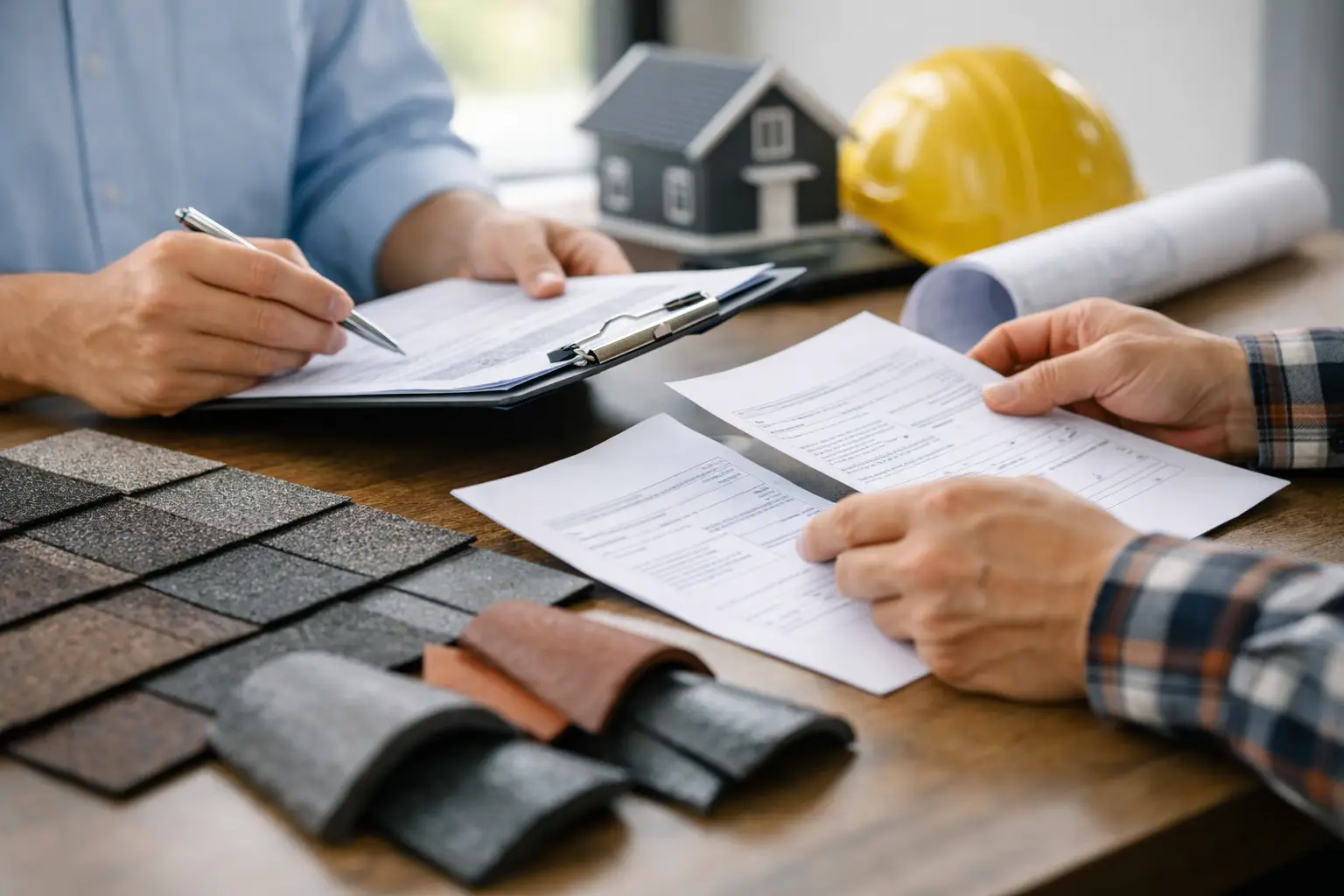
One bid is thousands lower than the others. Another is one page long. A third looks polished but leaves out key details. If you are trying to figure out how to compare roofing bids, the real job is not finding the cheapest number. It is figuring out which contractor is pricing the same scope, using the right materials, and taking responsibility for the work from start to finish.
That matters even more on the Texas coast, where wind, rain, salt air, and local code requirements can turn a low bid into an expensive mistake. A roof proposal should tell you what you are buying, what is excluded, and how the contractor plans to protect your property while the job is underway. If it does not, you are not comparing apples to apples.
Start by making sure the scope is the same
Before you compare price, compare what each roofer is actually proposing to do. This is where many property owners get tripped up. One contractor may be pricing a full tear-off and replacement, while another is bidding over existing materials where allowed. One may include new underlayment, flashing, and ventilation upgrades, while another leaves those items out until they become change orders.
Read each bid line by line and look for the same core scope. That includes tear-off, deck inspection, underlayment, drip edge, flashing, starter materials, ridge components, venting, cleanup, and disposal. If one proposal skips over these items with broad language like replace roof as needed, that is a sign to ask more questions.
A good roofing bid should also identify the roof areas being worked on. For a home, that may mean the main structure, garage, porch, or patio cover. For a commercial property, it should identify sections, penetrations, drainage details, and any phased work. If the bid is vague about where work happens, it is harder to hold anyone accountable later.
Look beyond the total and compare material quality
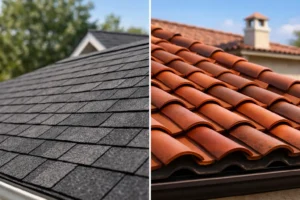
Two roofing bids can look similar at the bottom and still be very different in value. The difference often comes down to materials. That does not just mean whether you are getting asphalt shingles, tile, slate, or a flat roofing system. It also means the specific product line, thickness, rating, and installation accessories.
For shingle roofs, check whether the bid identifies brand, product class, color, wind rating, and warranty level. For tile or specialty roofing, make sure the quote includes the underlayment system and any fastening or battens required for the application. On flat roofs, look at membrane type, insulation, fastening method, and flashing details.
In coastal markets, this matters even more. The right underlayment, fastening pattern, and edge detail are not minor upgrades. They affect how the roof performs in wind-driven rain and storm conditions. A cheaper bid may be using lower-tier materials or leaving out components that help the roof last.
How to compare roofing bids without missing labor details
Labor is not just a number in the estimate. It reflects crew size, project management, installation method, safety practices, and the contractor’s ability to complete the job correctly. If one bid is dramatically lower, ask why. Sometimes the answer is efficiency. Other times it means corners are being cut.
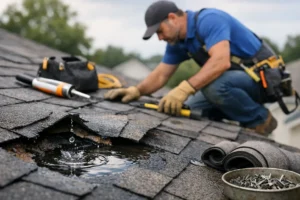
Pay attention to whether the contractor explains how the work will be performed. Will they remove and replace decking if damaged? How do they handle flashing around chimneys, skylights, valleys, and wall transitions? Are they planning to protect landscaping, siding, and driveways during tear-off? These details tell you how hands-on the company will be once work starts.
It is also fair to ask who is supervising the job. A dependable contractor should be able to explain who is responsible on site, how communication works, and what happens if hidden conditions are found after tear-off. Strong project management is part of the value you are paying for.
Check what is included and what becomes an extra
Some bids look competitive because they leave out common costs. That can include permit fees, dump fees, deck replacement, ventilation improvements, flashing replacement, or code-required items. When the project starts, those missing pieces show up as added charges.
This does not mean every possible issue must be included as a fixed cost. Roofing projects sometimes uncover hidden deck damage or framing issues that cannot be priced with certainty before tear-off. What you want is transparency. The bid should clearly state what is included, what is excluded, and how additional work would be approved.
The best proposals spell this out in plain language. If a contractor says wood replacement is extra, ask what the unit cost is. If permits are excluded, ask who is responsible for obtaining them. If cleanup is mentioned generally, ask whether haul-off, magnet sweeping, and final debris removal are part of the price.
Make sure the bid reflects local code and real conditions
A roof in Corpus Christi does not face the same conditions as a roof inland. Coastal exposure changes the conversation. Wind resistance, fastening requirements, ventilation, flashing, drainage, and material selection all deserve closer attention in this environment.
When you compare bids, look for signs that the contractor understands local requirements rather than using a generic estimate template. The proposal should account for the actual roof design, slope, penetrations, and exposure conditions. That includes proper attachment methods and components suited for the property type.
This is where local experience matters. A contractor who regularly works in the Coastal Bend is more likely to catch the issues that affect long-term performance, not just immediate installation cost. Coastal Roofing and Construction works with property owners in this market every day, and that local familiarity often makes the difference between a clean project and one filled with preventable surprises.
Compare warranties carefully
Warranties get a lot of attention, but they are often misunderstood. There is usually a manufacturer warranty on materials and a separate workmanship warranty from the contractor. Those are not the same thing.
A strong bid should explain both. Material warranties typically cover product defects under specific terms. Workmanship warranties cover installation errors, which is critical because many roofing problems come from details at flashing, valleys, transitions, and penetrations rather than from the field material itself.
Do not assume the longest warranty is automatically the best choice. Ask what is required to keep it valid. Some enhanced warranties depend on specific installation methods or approved accessory systems. If a bid advertises a premium warranty but does not include the full system needed for it, that deserves a closer look.
Reputation should support the bid, not replace it
A contractor’s reputation matters, but it should confirm what is in the proposal, not distract from weak paperwork. A polished sales process or low-pressure conversation does not make a vague estimate safer.
Look at whether the company is licensed as required, insured, and established enough to stand behind the job. Ask how long they have worked in the area and whether they handle both residential and commercial roofing if that fits your project. A contractor with broader construction experience can also be better prepared when roofing work ties into decking, framing, drainage, chimneys, or exterior improvements.
Most of all, pay attention to communication. If it is hard to get clear answers before signing, it usually does not get easier once the work begins.
Red flags when comparing roofing bids
A few warning signs come up again and again. Extremely low pricing is the obvious one, but it is not the only issue. Watch for bids with vague material descriptions, no mention of flashing or ventilation, unclear warranty terms, or no explanation of cleanup and disposal.
Be cautious if a contractor pressures you to sign immediately, avoids discussing permits, or says they will determine most costs after the roof is opened up. Some uncertainty is normal in construction. Too much uncertainty in the estimate usually means you are taking on more risk than you realize.
Another red flag is inconsistency. If the salesperson promises one thing but the written bid says something else, trust the paperwork. If it is not written down, it is harder to enforce.
The best bid is the one you can trust
If you want to know how to compare roofing bids with confidence, slow the process down enough to ask better questions. You are not just comparing numbers. You are comparing scope, materials, labor, warranty support, code awareness, and the contractor’s willingness to be clear before work begins.
A dependable bid should leave you with fewer unknowns, not more. When a contractor takes the time to define the work, explain the trade-offs, and put responsibilities in writing, that is usually a sign of how they will handle the project itself. The right roof starts with the right proposal, and peace of mind is worth more than a low number on page one.