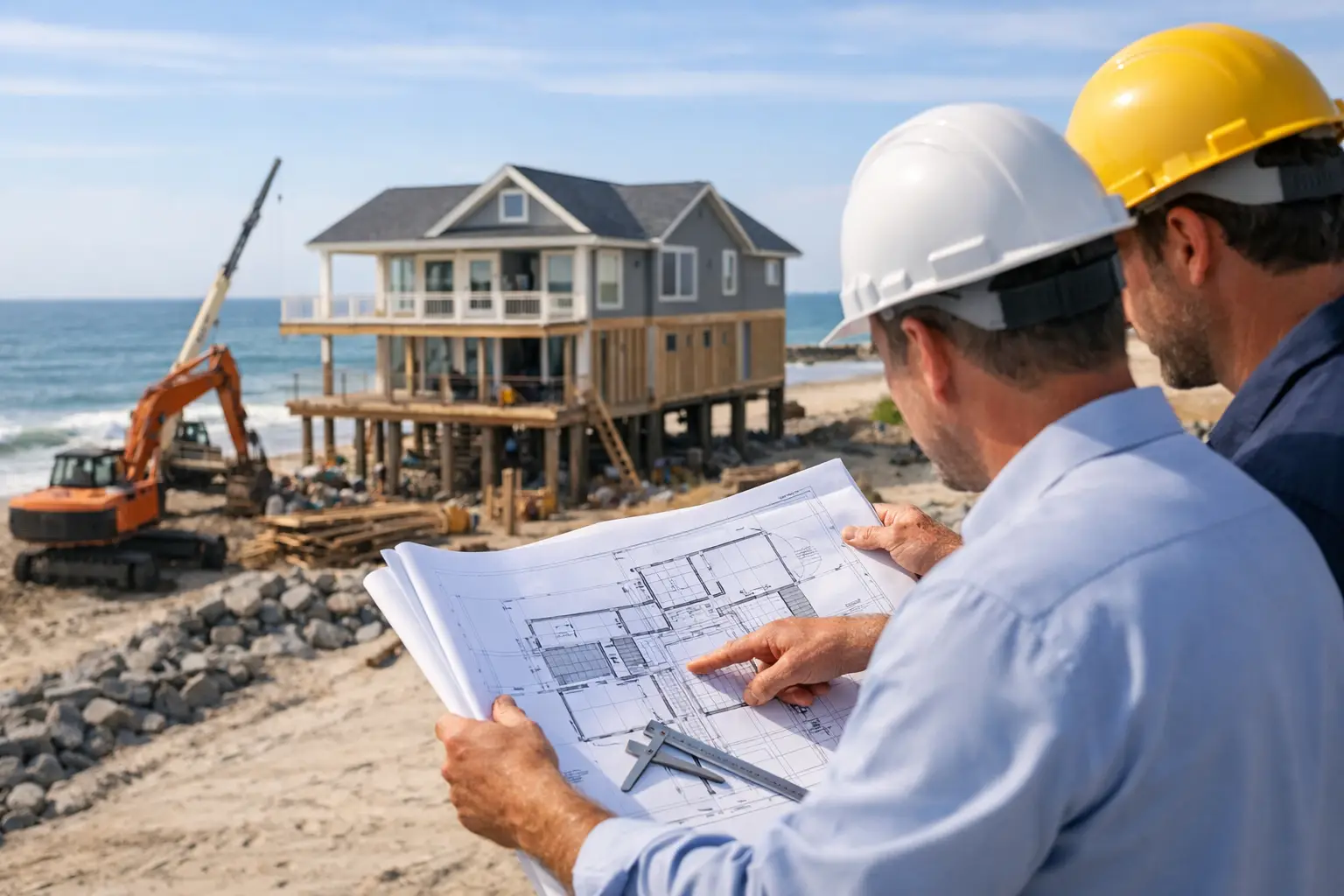
A roof replacement, room addition, or commercial renovation can look straightforward on paper. Along the Coastal Bend, however, coastal construction code updates can change the materials, fastening methods, permit documents, inspections, and budget needed to complete that work correctly. For Corpus Christi property owners, code compliance is not paperwork at the end of a project. It is part of building for wind, rain, salt air, and the next severe storm.
The practical question is not simply, “What code applies?” It is, “What does the current code require for this property, this scope of work, and this jurisdiction?” Those answers can differ between a roof replacement and a new addition, a single-family home and a commercial building, or a property inside and outside a flood hazard area.
Why Coastal Construction Code Updates Matter
Building codes are revised to reflect better data, stronger construction practices, and lessons learned from weather events. In a coastal market, updates often focus on how a building resists wind pressure, water intrusion, uplift, and storm damage. That affects far more than the visible roofing material.
A new code cycle or local amendment may influence roof deck attachment, underlayment, flashing, edge metal, wall connections, opening protection, drainage, energy performance, or structural design. On larger projects, it can also affect accessibility, fire safety, electrical work, plumbing, and mechanical systems.
For property owners, the impact is usually felt in three places: project planning, cost, and long-term performance. A properly permitted project may require a few more details upfront, but it helps prevent a costly correction after work has started. It also creates a documented record that can matter during an insurance claim, property sale, lender review, or commercial inspection.
The Updates That Most Often Affect Coastal Properties
Not every project triggers every part of the building code. The scope of work matters. Still, several requirements regularly deserve close attention in Corpus Christi and surrounding Coastal Bend communities.
Wind Resistance and Roof Attachment
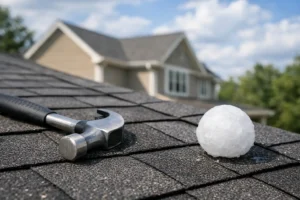
High winds do not only lift shingles or metal panels. They place pressure on the entire roof system, including the covering, underlayment, decking, fasteners, edges, and connections to the structure. Current requirements may call for specific fastening patterns, approved materials, enhanced roof edge details, or product approvals that demonstrate wind performance.
This is why a roofing estimate should not be based on square footage alone. Two roofs with the same size can require different installation methods depending on slope, height, exposure, roof shape, location, and the building’s construction. A lower-cost proposal that skips those details is not necessarily a better value.
Water Management and Flashing
Wind-driven rain finds weak points quickly. Roof-to-wall transitions, chimneys, skylights, valleys, pipe penetrations, low-slope areas, and exterior transitions all need proper flashing and drainage planning. Code changes and manufacturer requirements can overlap here, particularly when a roof system has a warranty tied to approved installation methods.
For remodeling work, water management matters beyond the roof. New windows, siding, decks, awnings, and additions need properly detailed connections so water is directed away from the building rather than into walls or below finished surfaces.
Floodplain and Elevation Requirements
Properties located in mapped flood hazard areas may face additional requirements for new construction, substantial improvements, or certain structural repairs. These can involve elevation, flood-resistant materials, foundation design, utility placement, and documentation. A project outside a flood zone may not have the same requirements, which is why assumptions can create expensive problems.
Floodplain rules are separate from many general building code provisions, but they often affect the same project. Before finalizing plans for an addition, rebuild, or major renovation, it is smart to confirm floodplain status and local requirements early.
Energy and Ventilation Standards
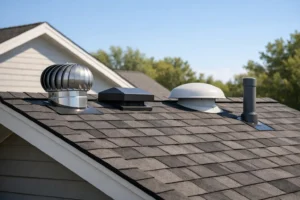
Code updates can also affect insulation, air sealing, ventilation, windows, and HVAC-related work. On a roof project, attic ventilation and insulation conditions may need attention, especially when the existing system contributes to moisture buildup, excessive heat, or shortened shingle life.
The right approach depends on the home or building. Adding ventilation without addressing blocked intake, damaged decking, or insulation issues may not solve the problem. A contractor should evaluate how the roof, attic, and building envelope work together rather than treating each component as separate.
What Triggers Code Compliance on a Project?
New construction generally must meet the currently adopted codes and local amendments. Renovations, additions, and repairs are more nuanced. An existing building is not automatically required to be rebuilt from top to bottom every time one item is repaired. But once work reaches a certain scope, affects structural components, changes the use of a space, or requires a permit, current requirements may apply to that portion of the project.
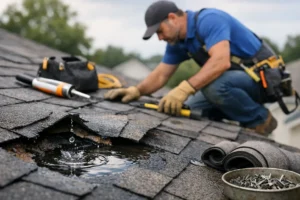
A roof replacement is a good example. Replacing worn shingles does not necessarily mean every part of the house must be updated. Yet the new roof system may still need to meet current requirements for materials, fastening, underlayment, flashing, and inspections. If damaged decking or structural concerns are uncovered after tear-off, additional repairs may be necessary before the new roof can be installed.
Commercial projects can bring another layer of review. A tenant improvement, exterior renovation, or change in occupancy can affect fire protection, exits, accessibility, occupant load, and mechanical or electrical systems. Early coordination is the best way to avoid surprise redesigns or schedule delays.
How to Plan for Coastal Construction Code Updates
The best time to address code requirements is before materials are ordered and crews are scheduled. That does not mean property owners need to become code experts. It means the project team needs to ask the right questions at the beginning.
Start with the property location, the type of work, and the local permitting authority. City and county requirements can differ, and local amendments may add provisions beyond the base model code. For coastal projects, windstorm requirements and inspection expectations may also affect product selection and documentation.
Next, define the scope honestly. If a project includes roofing, framing, electrical changes, windows, and exterior repairs, those items should be considered together. Splitting related work into separate pieces can make estimates look simpler, but it can also leave gaps in responsibility and coordination.
Finally, build a realistic contingency into the budget. Hidden rot, corroded fasteners, damaged decking, outdated electrical components, and drainage issues are not uncommon in coastal buildings. A clear estimate should explain what is included, what conditions could lead to additional work, and how approvals will be handled if conditions change.
Questions to Ask Before You Sign a Contract
Before hiring a contractor for roofing, remodeling, or commercial construction, ask who will verify applicable permits and local code requirements. Ask whether the proposal identifies the roofing system, underlayment, flashing, fasteners, and other components that affect performance. For a larger project, ask how inspections, design coordination, change orders, and final documentation will be managed.
It is also reasonable to ask what happens if concealed damage is found. No contractor can see through an existing roof or wall before work begins, but an experienced team should have a clear process for documenting the condition, explaining options, and getting approval before moving forward.
At Coastal Roofing and Construction, that hands-on planning is part of how we manage projects from the initial estimate through cleanup. Roofing and construction work should not leave owners coordinating multiple trades or guessing whether the finished project meets the requirements that matter.
Code Compliance Is Part of Building for the Coast
The lowest upfront price can become expensive if a project fails inspection, uses the wrong materials, or leaves weak points where wind and water can enter. On the other hand, overbuilding without a reason is not the goal either. The right solution is one that matches the current requirements, the property conditions, the budget, and the expected life of the improvement.
Before starting your next roof replacement, addition, remodel, or commercial upgrade, take time to confirm what applies to your site and scope. A careful review at the front end gives you a clearer budget, a smoother permit process, and a finished project built to stand up to coastal conditions.