A roof can look perfectly fine from the street and still have a serious problem hiding underneath it. In South Texas, we see this all the time – shingles age too fast, attic temperatures stay extreme, and moisture starts causing damage long before a leak shows up on the ceiling. That is why a solid roof ventilation guide for homes matters. Good ventilation helps your roof system breathe, protects the attic, and supports the performance of the entire home.
For homeowners in Corpus Christi and across the Coastal Bend, ventilation is not a minor add-on. Heat, humidity, salt air, and storm exposure all put extra pressure on roofing materials and attic spaces. If the ventilation design is off, your roof may wear out sooner, energy costs can climb, and hidden moisture can create expensive repairs.
What roof ventilation actually does
Roof ventilation is the controlled movement of air through the attic or roof assembly. The goal is simple: bring in fresh air at the lower part of the roof and let hot, humid air escape at the top. That cycle helps reduce trapped heat and moisture.
When that airflow works properly, your attic stays more balanced. In summer, it helps release heat that would otherwise build up under the roof deck. During humid weather, it helps move moisture out before it can condense on framing, insulation, or decking. In practical terms, that can support shingle life, reduce strain on HVAC equipment, and help prevent mold or wood rot.
Ventilation is not a cure-all, and it does not replace proper insulation or roof installation. But it is a key part of a complete roofing system. If one piece is missing, the rest of the system has to work harder.
Roof ventilation guide for homes: intake and exhaust must work together
The biggest mistake homeowners make is assuming more vents automatically means better ventilation. It depends on where those vents are placed and whether the system is balanced.
A proper setup usually includes intake ventilation near the soffits or eaves and exhaust ventilation near the ridge or high points of the roof. Intake vents pull in cooler outside air. Exhaust vents release rising heat and moisture. If you only have exhaust vents and little to no intake, the system can struggle. If vents are mixed in ways that compete with each other, airflow may short-cycle instead of moving evenly through the attic.
This is where roof design matters. A simple gable roof may ventilate differently than a more complex roof with multiple ridges, hips, valleys, or additions. Older homes can be especially tricky because they may have been reroofed several times without anyone correcting the original ventilation layout.
Common types of roof vents
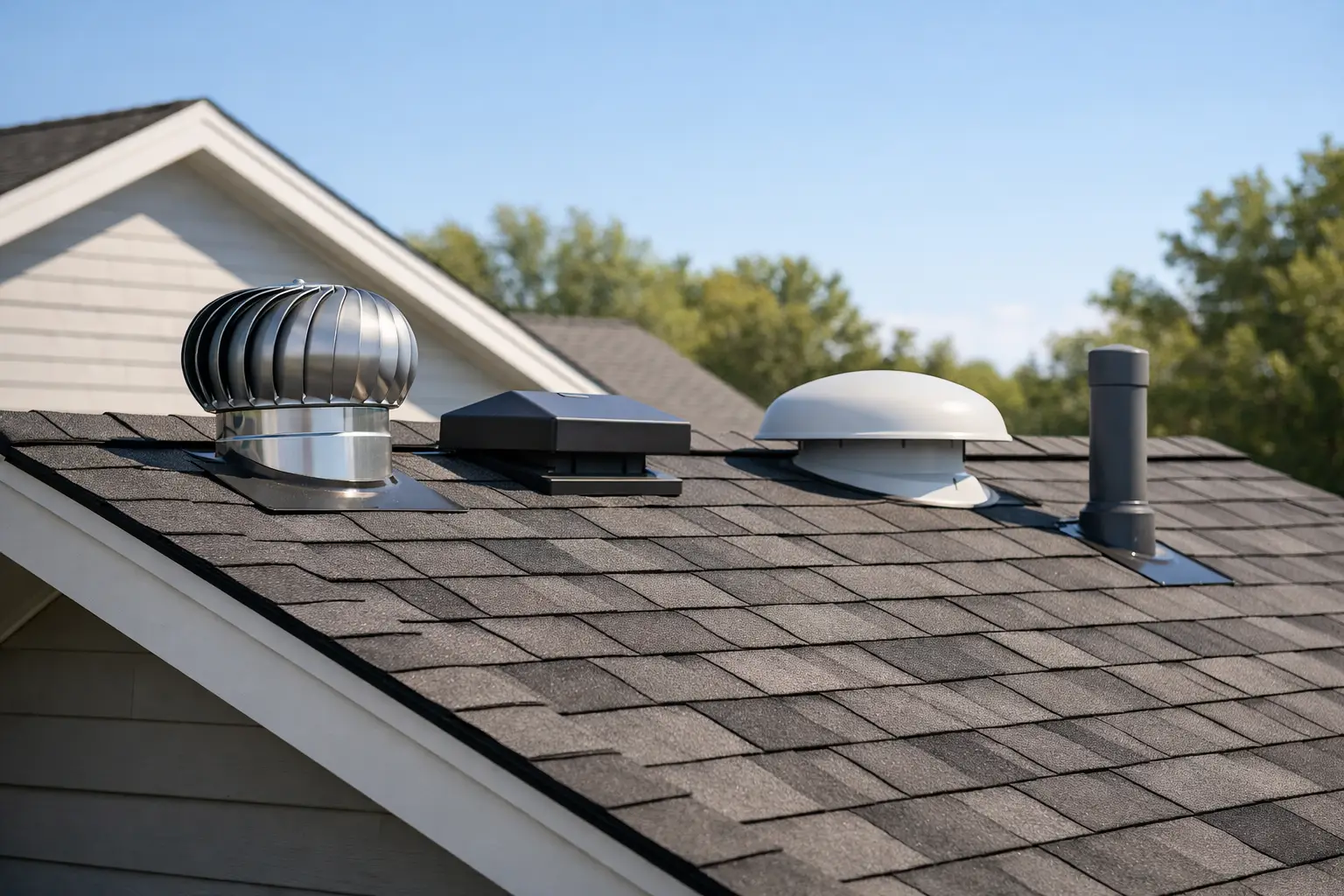
Most residential ventilation systems use one or more of a few standard vent types. Soffit vents are one of the most common intake options because they sit low under the roof edge and allow air to enter naturally. Ridge vents are a popular exhaust choice because they run along the roof peak and let warm air escape evenly across the highest point.
Other homes may use box vents, off-ridge vents, gable vents, or powered attic fans. Each has its place, but not every option works well on every roof. Powered fans, for example, can help in some cases, but if the attic does not have enough intake air, the fan may pull conditioned air from the house instead. Gable vents can be useful on certain structures, but they are not always enough by themselves for modern performance expectations.
The right choice depends on roof shape, attic size, insulation levels, and how the house was built. In coastal areas, material durability matters too. Vent components need to stand up to wind, moisture, and corrosion.
Signs your home may have a ventilation problem
Homeowners usually notice the symptoms before they know the cause. If your upstairs rooms stay hotter than the rest of the house, or your cooling bills seem high even after HVAC service, attic heat may be part of the issue.
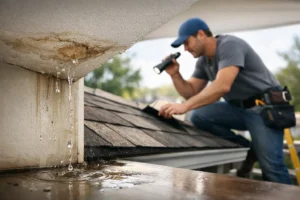
You may also see shingles curling early, roof decking that looks aged before its time, musty attic odors, damp insulation, or visible mildew on wood framing. In some cases, nails through the roof deck show rust or moisture staining. These are signs that warm, humid air is getting trapped where it should be moving out.
A ventilation problem can also show up after a roof replacement if the new system was installed without enough attention to attic airflow. A new roof should not just look better. It should function better as a complete system.
Why ventilation matters more on the Texas coast
Coastal homes deal with conditions that make attic performance more demanding. Heat is obvious, but humidity is often the bigger issue. When moist air gets trapped in an attic, it can condense on cooler surfaces and slowly damage wood, fasteners, insulation, and even drywall.
Wind also matters. Along the Coastal Bend, roof systems have to be built with weather exposure in mind. Vents are not just holes in the roof. They are components that need proper placement, secure installation, and products suited to local conditions. Poorly installed or low-quality vents can become weak points during storms.
Salt air adds another layer. Over time, it can wear on certain metals and shorten the life of components that are not designed for coastal use. That is one reason local experience matters when evaluating ventilation upgrades or roof replacement plans.
Roof ventilation guide for homes during a roof replacement
The best time to correct ventilation issues is often during a roof replacement. Once the old roofing is removed, it is easier to inspect the decking, identify hidden damage, and determine whether the current vent layout makes sense for the home.
This is also the right time to ask practical questions. Does the attic have enough intake? Is the exhaust venting placed at the highest points? Are there blocked soffits, disconnected bath fans, or insulation packed too tightly over intake paths? If the roof has additions or previous remodel work, does the ventilation plan still match the current structure?
A dependable contractor should look at the whole picture, not just install new shingles over an old problem. At Coastal Roofing and Construction, that system-based approach is part of the job because roofing performance is tied to more than the surface layer.
Ventilation, insulation, and moisture control
Ventilation works best when paired with proper insulation and air sealing. These three elements affect each other. If attic insulation is uneven or compressed, indoor heat transfers upward faster. If warm interior air is leaking into the attic from recessed lights, duct penetrations, or hatch openings, moisture problems can build even with decent venting.
That is why some ventilation problems are really house-performance problems with roofing symptoms. A homeowner may think the roof is failing, when the bigger issue is trapped heat and humidity caused by a combination of poor airflow and weak insulation strategy.
The trade-off is that there is no one-size-fits-all fix. Adding more vents without checking insulation and attic air leaks can produce disappointing results. On the other hand, sealing and insulating an attic without confirming ventilation balance can create a different set of problems. The system has to be evaluated together.
When to call a professional
If you are seeing early roof wear, attic moisture, mold concerns, or uneven indoor temperatures, it is worth getting the roof and attic inspected by someone who understands both roofing and ventilation. This is especially true before a major repair, replacement, or remodel.
A professional assessment should consider roof pitch, vent placement, attic access, insulation condition, and any signs of moisture intrusion. It should also account for local code requirements and the demands of the coastal environment. That level of review can prevent costly guesswork.
Homeowners sometimes try to solve the issue with a powered fan or a few extra vents from the home store. Sometimes that helps a little. Sometimes it makes airflow worse. The safer move is to diagnose the system before changing it.
A roof should do more than keep water out. It should help your home handle heat, moisture, and weather the way it was meant to. If your attic feels like an oven, your shingles are aging too fast, or your home never seems to cool evenly, ventilation deserves a closer look. A well-planned fix today can protect your roof, improve comfort, and save you from bigger repairs later.