If your roof is showing age after a few hard storm seasons, an architectural shingles review is a practical place to start. Homeowners in Corpus Christi and across the Coastal Bend usually are not asking for the fanciest roof on the market. They want to know what holds up, what looks good, what insurance carriers expect, and what makes sense for the budget.
Architectural shingles sit in the middle of that conversation for a reason. They cost more than basic 3-tab shingles, but they usually give you better wind performance, a heavier build, and a longer service life. For many homes, that balance is exactly what makes them worth a serious look.
Architectural shingles review: what they are
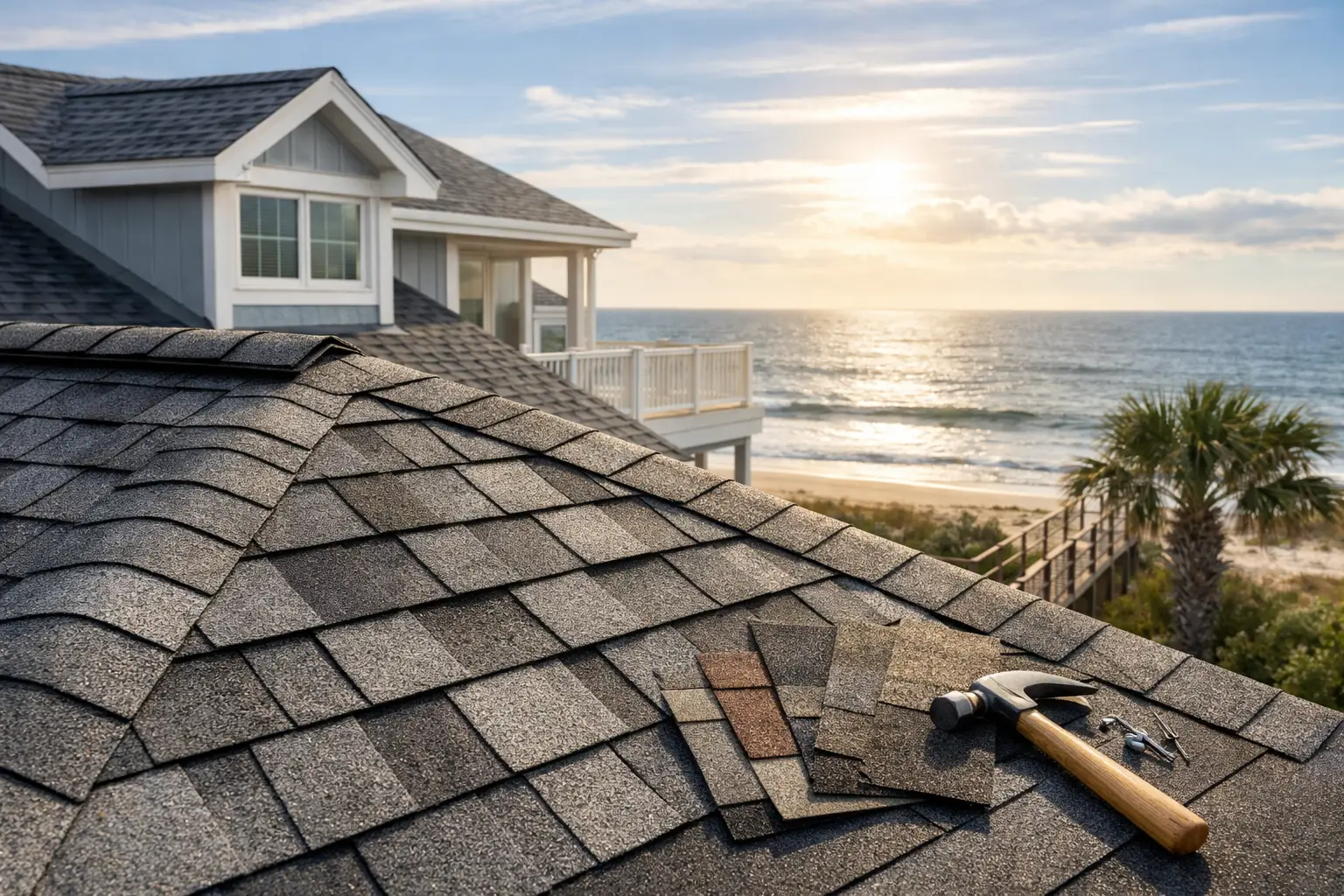
Architectural shingles are also called dimensional or laminated shingles. Instead of a flat, uniform look like traditional 3-tab products, they are built with multiple layers that create more thickness and a more textured appearance.
That extra material is not just about curb appeal. In real-world use, it often means better durability, stronger resistance to uplift, and improved performance during the kind of weather South Texas deals with every year. They are still asphalt shingles, so they remain one of the more budget-friendly roofing systems, but they tend to feel more substantial on the roof and last longer when installed correctly.
For homeowners who want a roof that looks more upgraded without moving into tile or slate pricing, architectural shingles are often the sweet spot.
What stands out in an architectural shingles review
When we evaluate shingles for coastal homes, we are looking at more than brochure claims. The big issues are wind resistance, installation quality, ventilation, underlayment, flashing details, and how the whole system performs together.
The first advantage is appearance. Architectural shingles add depth and shadow lines, which can make an older home look cleaner and more current. That matters if you care about resale value or simply want the roof to complement the rest of the property.
The second advantage is durability. Compared with 3-tab shingles, architectural products are generally thicker and better built. Many are rated for higher wind speeds, although the exact number depends on the product line and whether the roof system was installed to manufacturer requirements.
The third advantage is lifespan. A properly installed architectural shingle roof can often outlast a standard shingle roof by several years. That does not mean every roof reaches the same age. Coastal exposure, attic heat, storm damage, salt air, tree coverage, and maintenance all affect the outcome.
There are trade-offs, though. Architectural shingles cost more upfront. They also are not the top performer in every category. If a home is directly exposed to severe wind loads, frequent storm impact, or special design requirements, another roofing material may be a better long-term fit.
Cost versus value
This is where most buying decisions get made. Architectural shingles usually cost more than entry-level shingles, but they often offer a better value over time because they last longer and provide a more durable finished roof.
For many property owners, the better question is not, Are they cheaper today? It is, Will I get enough added life and performance to justify the higher price? In a lot of cases, the answer is yes. If you plan to stay in the home, the improved lifespan and appearance can make the investment easier to justify. If you are preparing to sell, the upgraded look may help the property present better.
That said, value depends heavily on installation. A premium shingle installed poorly is still a poor roof.
Wind performance in South Texas
In our market, this point matters more than almost anything else. Coastal roofs are not dealing with mild, steady weather. They face heat, humidity, sudden storms, strong gusts, and the ongoing stress that comes with a salt-air environment.
Architectural shingles generally perform better in wind than 3-tab shingles, especially when paired with the right starter materials, underlayment, ridge components, and fastening pattern. But homeowners should be careful not to treat a wind rating like a guarantee. Manufacturer ratings assume the system was installed exactly as required and that the roof deck and surrounding components are in good condition.
A shingle can have a strong rating on paper and still fail early if the attic has poor ventilation, flashing is weak, nails are off-pattern, or older decking was not addressed during replacement.
Looks and neighborhood fit
Not every roofing decision is purely technical. Architectural shingles are popular because they improve the look of the home without making the roof look overly expensive or out of place. They come in a wide range of colors and styles, and they fit well with many home designs common in Corpus Christi neighborhoods.
For homeowners associations and resale-conscious owners, that matters. A roof should protect the house first, but it should also look appropriate for the property.
Where architectural shingles make sense
An architectural shingles review usually lands in favor of these products for standard residential roof replacements, especially when the homeowner wants a dependable upgrade from basic shingles. They are a strong option for families who want solid performance without stepping into the cost of tile, metal, or specialty systems.
They also make sense when curb appeal matters. If the existing roof looks flat, faded, or dated, dimensional shingles can noticeably improve the exterior.
They may be a less ideal fit for buildings with very low slopes, specialty drainage concerns, or conditions that call for a different roofing system altogether. Commercial properties, for example, often need flat or low-slope systems that solve different performance issues. The right roof always depends on the structure, not just the product category.
What homeowners should ask before choosing them
The product matters, but the roof system matters more. Before choosing architectural shingles, ask what underlayment is being used, whether flashing is being replaced, how ventilation will be evaluated, and whether damaged decking will be addressed if found during tear-off.
You should also ask about manufacturer warranty requirements and workmanship coverage. Warranties can sound impressive, but they only help if the installation followed the rules and the problem falls under covered conditions.
A contractor should be able to explain the difference between product lifespan, wind rating, and real-world roof performance in clear language. If the conversation stays vague, that is usually a warning sign.
The local factor most reviews miss
National roofing advice often skips over local conditions, and that is a mistake. A shingle that performs well in a mild inland climate may not age the same way on the Texas coast.
Heat buildup in the attic, moisture movement, storm exposure, and coastal weather patterns all affect how a roof holds up. That is why product selection should not happen in isolation. It should be part of a bigger plan that includes ventilation, waterproofing details, and code-conscious installation.
For property owners in the Coastal Bend, local experience matters just as much as the brochure specs. A contractor who understands regional weather patterns, permitting expectations, and common roof failure points can help you choose a system that makes sense for the building and the location.
Final take on architectural shingles
For many homes, architectural shingles are a smart middle-ground roofing option. They offer a stronger look, better durability than basic shingles, and good overall value when they are installed as part of a complete, well-built roofing system.
They are not automatically the right answer for every structure, and they are not immune to storm damage or poor workmanship. But if you want a roof that balances cost, appearance, and dependable performance, they deserve serious consideration.
The best next step is not guessing from a sample board. It is getting a roof evaluation from a contractor who understands coastal construction, explains the trade-offs clearly, and helps you choose a system that fits your home for the long haul.