A roof can look perfect from the street and still be vulnerable underneath. In Corpus Christi and across the Coastal Bend, wind-driven rain can find a way below shingles, tile, or metal panels when storms push the roofing system to its limits. Choosing among the best roofing underlayment types is not a minor material decision. It helps determine how well your roof handles moisture during construction, severe weather, and the years between repairs or replacement.
Underlayment is the protective layer installed between the roof deck and the finished roofing material. It is not meant to replace shingles, tile, metal, or a commercial membrane, but it provides a crucial secondary barrier if water gets past the outer roof covering. The right choice depends on your roof slope, roofing material, deck condition, budget, and the exposure your property faces along the Texas coast.
Why Underlayment Matters on the Coastal Bend
Coastal roofs deal with more than occasional rain. High heat can age materials quickly, humidity can expose weak points, and tropical weather can drive rain sideways beneath roof coverings. A quality underlayment also protects the deck while a new roof is being installed, which matters when weather changes quickly during a project.
The best option is not always the most expensive roll on the market. A material that performs well under asphalt shingles may not be suitable beneath clay tile, standing-seam metal, or a low-slope commercial roof. The installation method matters just as much as the material itself. Fastener placement, overlap, flashing details, deck preparation, and compatibility with the finished roof all affect performance.
Best Roofing Underlayment Types for Texas Coastal Properties
Asphalt-Saturated Felt
Traditional asphalt-saturated felt, often called felt paper or tar paper, remains a common underlayment choice. It is available in lighter and heavier weights, with heavier felt generally offering better durability during installation. Many homeowners recognize it because it has been used beneath asphalt shingle roofs for generations.
Felt can be a practical choice for straightforward roofing projects with limited exposure and a controlled budget. It is widely available, familiar to installers, and can perform adequately when installed correctly. However, it is heavier than synthetic materials, can wrinkle when wet, and may tear more easily in high winds or under heavy foot traffic during installation.
For Coastal Bend homes, felt is usually best considered when the roof design is simple, the project schedule is stable, and the roofing system does not require a more specialized underlayment. It should be installed carefully and should not be left exposed to the elements longer than the manufacturer allows.
Synthetic Underlayment
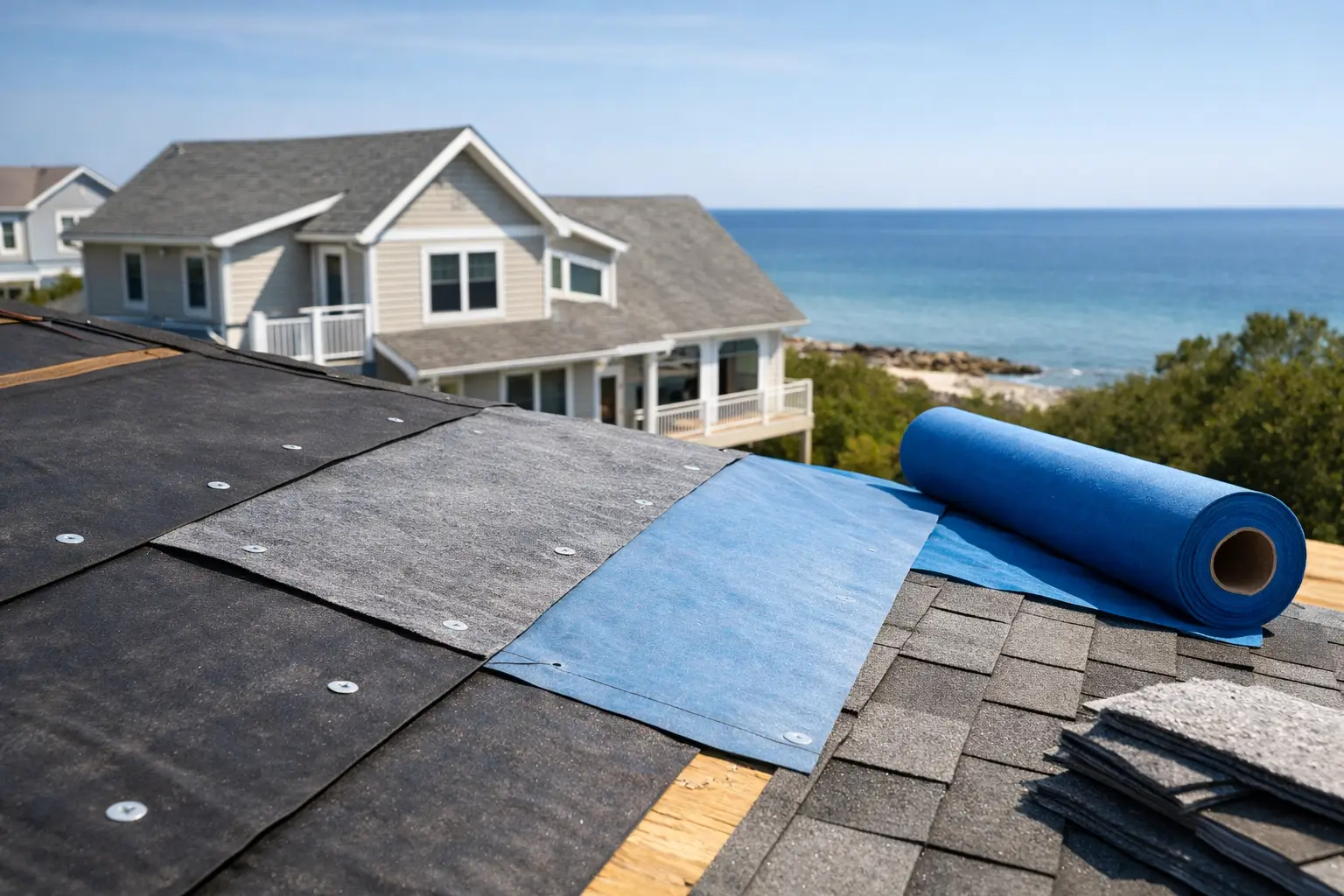
Synthetic underlayment has become a popular choice for many residential roof replacements because it is lightweight, strong, and more resistant to tearing than traditional felt. Most synthetic products are made from engineered polymers designed to shed water and hold up better during installation.
For many asphalt shingle and metal roofing applications, synthetic underlayment offers a strong balance of performance and cost. It is easier for crews to handle, often provides better walkability, and is less likely to absorb moisture or buckle after a brief rain. That can help keep a project moving efficiently while protecting the roof deck.
Not every synthetic product is the same. Some are designed for standard shingle installations, while others are rated for high-temperature applications beneath metal roofing. A contractor should select a product approved by both the underlayment manufacturer and the roofing material manufacturer. Using the wrong product can create warranty problems or cause premature wear where heat builds beneath metal panels.
Self-Adhered Underlayment
Self-adhered underlayment has an adhesive backing that bonds directly to the roof deck. It is sometimes called peel-and-stick underlayment or ice-and-water barrier, although the proper product and coverage area vary by climate and roof system. Once installed correctly, it creates a more secure seal around penetrations and can provide excellent resistance to wind-driven rain.
This option is especially valuable in vulnerable roof areas, including eaves, valleys, sidewalls, skylights, chimneys, and around vents. These transitions are where water is most likely to challenge the roof system. In coastal areas, a self-adhered product can be part of a stronger sealed-deck approach when the roof design, local requirements, and budget support it.
The trade-off is cost and preparation. Self-adhered materials generally cost more than felt or standard synthetic underlayment, and the deck must be clean, dry, and properly prepared for adhesion. Installation in extreme heat also requires experienced handling. A poorly installed self-adhered membrane can trap wrinkles, create weak seams, or fail to bond as intended.
High-Temperature Underlayment
High-temperature underlayment is designed for roofing systems that generate more heat beneath the panels or tiles. It is commonly considered for metal roofs, tile roofs, and certain specialty systems where standard asphalt-based materials may soften, stick, or deteriorate over time.
A metal roof can perform exceptionally well in Corpus Christi, but the underlayment beneath it must be matched to the panel system and expected heat load. The same applies to clay tile, where the roof assembly may have airflow beneath the tiles but still needs dependable moisture protection at the deck. High-temperature synthetic or self-adhered products can provide the durability these systems require.
This is not an area to guess. The roof manufacturer’s installation requirements should guide the selection, along with the roof slope, deck material, and fastening system. Paying for a premium metal or tile roof while cutting corners on the layer beneath it can undermine the whole investment.
Matching Underlayment to Your Roof Type
Asphalt shingle roofs commonly use either synthetic underlayment or traditional felt, with self-adhered protection added in valleys and other high-risk areas. For a home exposed to frequent wind-driven rain, upgraded synthetic material and enhanced detailing may be worth the additional cost.
Clay tile and slate roofs typically need a more durable underlayment because the finished roof material can last for decades. Replacing underlayment beneath tile is a major project, so selecting a long-lasting, compatible high-temperature material from the start is often the better value.
Metal roofs require close attention to heat resistance and product compatibility. Certain panel systems, especially those installed over solid decking, can transfer significant heat to the layer below. A high-temperature underlayment is often the appropriate choice.
Flat and low-slope roofing should not be treated like a standard shingle roof. These systems usually rely on a complete membrane assembly, such as modified bitumen, TPO, PVC, or EPDM rubber, rather than a conventional underlayment beneath shingles. Drainage, seam integrity, insulation, and flashing details become central to the system’s performance.
Installation Details Matter as Much as the Material
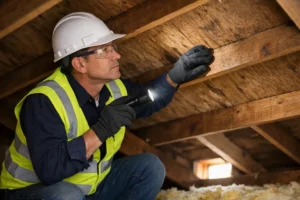
Even the best underlayment cannot compensate for soft or damaged decking, poor flashing, inadequate ventilation, or incorrect fastening. Before installing a new layer, the roof deck should be inspected for rot, delamination, loose areas, and moisture damage. Any failed decking should be repaired so the underlayment has a stable surface to protect.
Proper overlap is also essential. Underlayment should shed water down the roof rather than direct it toward a seam. Valleys, roof-to-wall connections, pipe boots, chimneys, and penetrations need deliberate detailing because these are frequent leak locations. For wind-prone properties, fastening patterns and sealed edges should follow the applicable building code and manufacturer requirements.
Homeowners should also ask how long the selected underlayment can remain exposed if weather delays the final roof covering. Exposure ratings vary widely. A product that withstands a short rain event may not be suitable for weeks of direct coastal sun.
How to Choose the Right Option for Your Property
Start with the roofing system you plan to install, then work backward to the underlayment approved for that system. Consider the roof’s age, pitch, shape, penetrations, and location. A simple inland-facing roof may need a different level of protection than a multi-valley home near the water or a commercial building with a low-slope roof.
Budget matters, but it should be considered over the expected life of the roof. Saving modestly on basic felt may make sense for certain shingle projects. On the other hand, choosing higher-grade synthetic or self-adhered protection may be a smart investment where wind, heat, complex roof lines, or premium materials increase the consequences of a leak.
At Coastal Roofing and Construction, we evaluate the full roof assembly, not just the visible surface. That includes the deck, ventilation, flashing, drainage, roofing material, and the underlayment that ties the system together. A clear recommendation should explain what is being installed, why it fits your roof, and where upgraded protection provides real value.
The right underlayment is the one that supports your specific roof for the long haul. Before approving a roof replacement, ask your contractor to show you the proposed underlayment, explain its compatibility with your roofing material, and identify how vulnerable areas will be protected. That conversation can make a meaningful difference when the next Coastal Bend storm arrives.