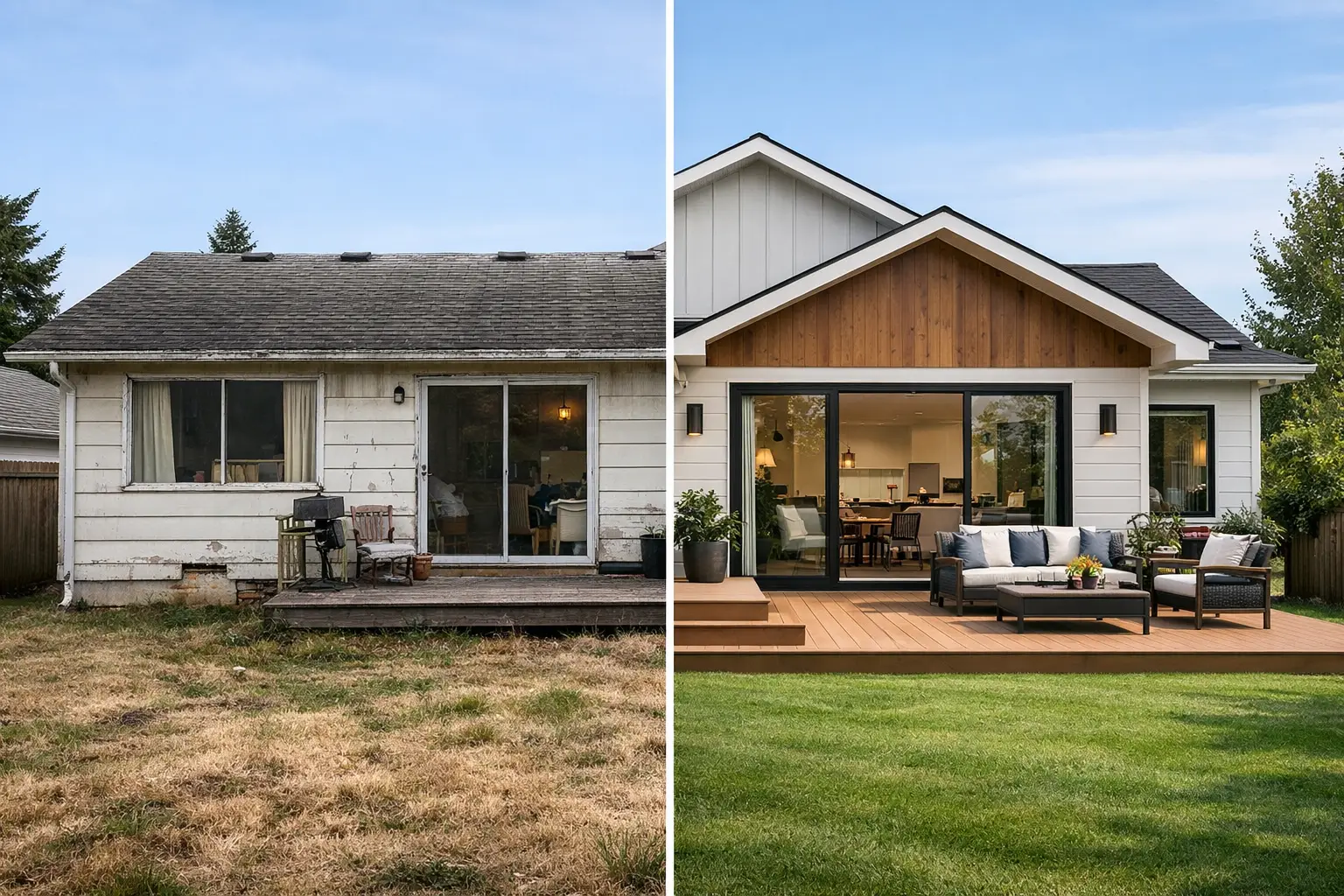
A good before and after home remodel is not just about fresh paint and better lighting. It is about solving the problems that made the space frustrating in the first place, then rebuilding it so it works better every day. Around Corpus Christi and the Coastal Bend, that often means looking past surface finishes and paying close attention to layout, durability, moisture exposure, and the way different parts of a home perform together.
Homeowners usually notice the visual change first. An outdated kitchen becomes open and functional. A worn bathroom starts feeling clean and solid again. A dark living area gets more natural light and better flow. But the strongest remodels go deeper than appearance. They improve comfort, protect the structure, and make the house easier to live in for years, not just the first week after the job is done.
What makes a before and after home remodel impressive
The most convincing transformations start with a clear reason for the work. Sometimes the goal is to update a dated home. Sometimes it is fixing damage, correcting poor past work, or making the house fit a growing family. The best before and after home remodel projects do all of that at once. They improve the look of the space while also fixing what was holding it back.
That might mean removing a wall to improve traffic flow, replacing old flooring that has started to fail, upgrading windows and exterior components, or addressing water intrusion before new finishes go in. It depends on the home. A remodel that looks dramatic in photos can still be a weak investment if the hidden issues were ignored. On the other hand, some of the most valuable work is not obvious in a picture at all. Framing corrections, decking repairs, drainage improvements, and code-related upgrades rarely get attention in the final reveal, but they matter.
That is especially true in coastal Texas. Homes here deal with heat, humidity, wind exposure, and weather-related wear that can affect roofing, siding, trim, framing, and interior finishes. When a contractor understands those local conditions, the after side of the remodel tends to hold up better.
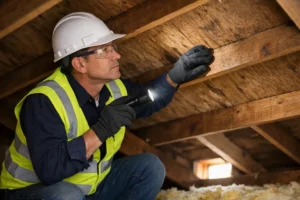
Before and after home remodel planning starts behind the walls
A lot of remodeling frustration comes from starting too fast. Homeowners get excited about cabinets, tile, countertops, and paint colors, but the real success of the project is usually decided earlier. Good planning means understanding what is changing, what needs repair first, and how one update affects the next.
For example, if a kitchen remodel includes removing a wall, that can affect framing, electrical, HVAC, and flooring transitions. If a bathroom remodel reveals long-term moisture damage, the schedule and budget may need to shift to handle structural repairs before the finish work continues. If a full-home renovation includes roofing, exterior improvements, and interior work, sequencing matters. You do not want to complete interior upgrades only to deal with leaks or building envelope issues afterward.
This is where homeowners benefit from working with a contractor who can manage multiple scopes under one roof. Instead of trying to coordinate separate crews for roofing, construction, concrete, finish work, and repairs, the project moves through one plan with one accountable team. That usually reduces delays, avoids finger-pointing, and gives the homeowner a clearer picture of timeline and cost.
The biggest changes usually come from layout, light, and materials
When people think about dramatic remodels, they often focus on style. Style matters, but the biggest difference in day-to-day living usually comes from function. A cramped galley kitchen that opens into the main living area changes how a family cooks, entertains, and moves through the house. A bathroom with a smarter layout feels larger even if the footprint stays the same. A covered outdoor area can make a home feel significantly more usable without a full addition.
Light is another major factor. Better window placement, wider openings, brighter finishes, and cleaner lines can completely change how a room feels. In older homes, small design decisions from previous decades often make spaces feel darker and more closed off than they need to be. Thoughtful remodeling can correct that without stripping away the character of the home.
Material selection also plays a big role, and this is where trade-offs matter. High-end finishes can look great, but they should match the use of the space and the conditions of the property. In a coastal environment, moisture resistance, easy maintenance, and long-term durability should carry real weight in the decision. The cheapest material often costs more later. At the same time, not every project needs top-tier finishes in every room. A good remodel budget puts money where performance and daily use matter most.
Why some remodels look great at first but age poorly
Not every after photo tells the full story. Some projects are built to look finished quickly, not to perform well over time. That usually shows up later in the form of cracking, movement, poor drainage, finish failures, or recurring leaks. The problem is rarely the final color or fixture choice. It is usually the preparation, installation quality, or lack of coordination between trades.
A remodel should account for how the house actually behaves. Floors move. Exterior materials expand and contract. Moisture finds weak points. Roof issues can affect interior spaces. If the project ignores those realities, cosmetic improvements can start breaking down sooner than expected.
That is why experienced project management matters. A dependable contractor looks at the whole property, not just the room being updated. If roofing, drainage, ventilation, framing, or concrete conditions are affecting the remodel, those issues need to be addressed as part of the plan. It is a more honest way to build, and it protects the investment.
Budgeting for a remodel without losing control of the project
One of the biggest homeowner concerns is cost creep. That concern is valid. Remodels involve unknowns, especially in older homes, and no responsible contractor should pretend otherwise. Still, there is a difference between a project with realistic contingencies and a project that feels disorganized from day one.
The best approach is to separate must-haves from nice-to-haves before construction begins. Structural repairs, weather protection, code-related items, and core function should come first. Finish upgrades can then be prioritized based on budget and expected use. If adjustments are needed during the project, that framework helps homeowners make decisions without feeling like the whole remodel is getting away from them.
Clear communication matters just as much as numbers. Homeowners should know what is included, what may change if hidden damage is found, and how schedule shifts will be handled. In our experience, people can handle honest information. What they do not want is silence, confusion, or surprises that could have been explained earlier.
Remodel value is not only about resale
A lot of articles talk about return on investment as if every homeowner is planning to sell next spring. Sometimes resale matters, and smart upgrades can absolutely improve market appeal. Updated kitchens, bathrooms, roofing systems, exterior improvements, and better outdoor living areas all tend to help. But many remodel decisions are about staying in the home and making it work better now.
If the house is safer, more comfortable, easier to maintain, and better suited to your daily life, that has value even if it does not show up perfectly on a resale spreadsheet. The key is making improvements that balance personal use with durable construction. Extremely trend-driven choices may date quickly, while practical upgrades with clean design usually hold up better.
For homeowners in Corpus Christi, there is another layer to value. Local weather exposure puts real pressure on exterior systems and structural integrity. A remodel that improves resilience, addresses weak points, and uses materials suited to the area often makes more sense than chasing a photo trend that does not fit the climate.
Choosing the right team for before and after remodel success
A successful remodel depends on more than craftsmanship alone. It takes planning, communication, scheduling, and the ability to handle problems when they show up. That is why homeowners should pay attention to how a contractor approaches the entire job, not just the sales conversation.
Ask whether the team can manage related scopes like roofing, structural repair, concrete, exterior upgrades, and finish work. Ask how changes are communicated. Ask what happens if hidden damage is uncovered. Ask who is responsible from the first walkthrough to final cleanup. Strong before and after home remodel results come from accountability at every stage, not just talent with finishes.
At Coastal Roofing and Construction, that hands-on approach matters because remodel work is rarely isolated. A beautiful interior does not mean much if exterior issues are still waiting to cause trouble. Managing the full picture helps homeowners move forward with more confidence and fewer loose ends.
The best remodels do not just give you a better-looking house. They give you a home that fits your life better, performs better, and feels like it was built with care from the inside out. If you are thinking about your own before and after, start with the real issues, build with a clear plan, and choose a team that knows how to get the details right.