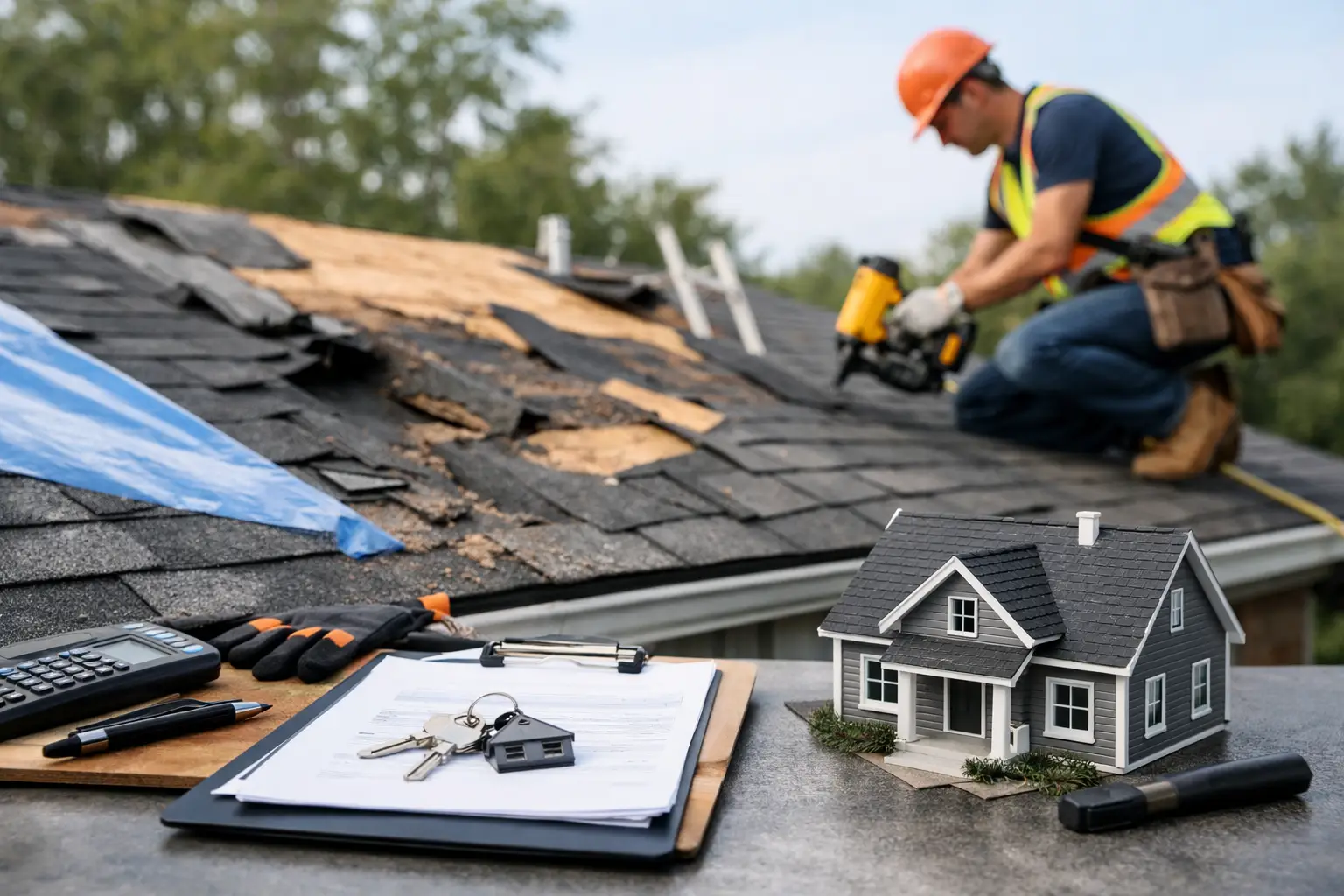
After a Gulf Coast storm, the hardest part is often not spotting the damage. It is figuring out what happens next. Insurance claim roof restoration can feel like a second full-time job when you are already dealing with leaks, ceiling stains, or a business that cannot afford downtime. The process moves faster and with fewer surprises when the roof is inspected correctly, the damage is documented clearly, and the restoration plan matches both your policy and local code.
In Corpus Christi and across the Coastal Bend, roof claims are rarely just about a few missing shingles. Wind can lift materials without tearing them off completely. Hail can bruise shingles, crack tile, or damage flashing in ways that are easy to miss from the ground. Salt air and prior wear can also complicate the conversation with your carrier, because the insurer may try to separate recent storm damage from older deterioration. That is where a contractor with local experience matters.
How insurance claim roof restoration usually works
Most roof claims follow the same basic path, but the details matter. First, the property owner notices damage or suspects damage after a storm. Then comes the inspection, the claim filing, the adjuster visit, and the scope review. After that, repairs or replacement move forward once pricing, materials, and coverage are sorted out.
That sounds simple on paper. In real projects, delays usually happen because one of three things is missing: solid documentation, a clear scope of work, or good communication between the owner, contractor, and insurance company. If any one of those breaks down, the claim can stall even when the damage is real.
For homeowners, this often means waiting longer with an exposed roof. For commercial properties, it can mean interior damage, tenant complaints, or interrupted operations. That is why the restoration side should not be treated as an afterthought. The claim and the build need to line up from the start.
What insurers look for during a roof claim
Insurance carriers are looking for covered damage, not just a worn roof. That distinction matters. If your roof is near the end of its life, the insurer may approve storm-related repairs but deny unrelated aging issues. On the other hand, if a storm event created functional damage that affects the roof system, that can support a stronger claim even when the roof is older.
Adjusters typically look at shingles, tile, metal components, underlayment exposure, flashing, ridges, vents, valleys, and signs of water intrusion. They also consider whether damage is cosmetic or functional. Cosmetic damage may not always trigger the same coverage outcome as damage that compromises waterproofing or system performance.
This is one reason a professional inspection matters before the adjuster meeting. A trained roofing contractor can identify patterns that point to storm impact, separate fresh damage from pre-existing conditions, and document the roof in a way that supports the claim. Photos, measurements, marked test areas, and notes on collateral damage all help build a cleaner record.
Why coastal properties need a more careful approach
Roof restoration on the Texas coast comes with a different set of pressures. High wind exposure, driving rain, humidity, and salt-heavy air all shorten the margin for error. A repair that might hold up inland may not perform the same way near the water.
There is also the code side. Depending on the extent of the damage and the age of the existing system, restoration work may need to meet updated requirements. That can affect material choices, fastening methods, underlayment, and other components that are easy to overlook if someone is only thinking about the surface layer. A low estimate that ignores code compliance is not really a savings if it creates problems during installation or inspection.
For that reason, insurance claim roof restoration should be planned as a full project, not just a payout discussion. The goal is not simply to get a claim approved. The goal is to restore the roof correctly so it performs in the next storm too.
The documentation that makes a claim stronger
Good documentation does not guarantee approval, but poor documentation almost always creates trouble. The strongest claims usually include a prompt inspection, date-stamped photos, clear notes on affected elevations and roof sections, and records of any interior leaks or related damage.
It also helps to keep a timeline. Note the date of the storm, when the damage was discovered, when temporary protection was installed, and when the claim was reported. If emergency tarping or temporary repairs were needed to prevent more water intrusion, save those records as well. Insurance policies often require property owners to take reasonable steps to limit additional damage.
For commercial properties, documentation should also include any business-related concerns tied to the roof failure, such as active leaks over equipment, office space, inventory, or tenant areas. Those details do not change the roof scope by themselves, but they help show urgency and real-world impact.
Common issues that slow down insurance claim roof restoration
One common problem is filing too late. After a major storm, some damage does not show up immediately. By the time stains appear indoors, weeks may have passed. That delay can make the claim harder to sort out, especially if another storm rolls through or if temporary repairs were never installed.
Another issue is relying on a quick visual check from the ground. Missing shingles are obvious. Lifted tabs, punctures, flashing damage, and hail bruising are not. A roof can look fine from the driveway and still have enough damage to justify a serious claim review.
Scope mismatches are another headache. The insurance carrier may write for partial repairs, while the real condition of the roof calls for broader restoration to maintain system integrity or meet current requirements. That is where estimate review and supplement support become important. Sometimes the original insurance scope is close. Sometimes it misses critical items.
There is also the question of matching. On some properties, especially older homes or commercial buildings with discontinued materials, replacing one section may leave a visible or functional mismatch. Whether that changes the approved scope depends on the policy, the material type, and the facts of the project. It is not automatic, but it should be addressed early.
Choosing the right contractor for a roof insurance claim
Not every roofer is built for claim work. Some are fine at basic repairs but struggle with documentation, code discussion, or communication during the adjuster process. Others push every project toward a full replacement whether it is justified or not. Neither approach helps the property owner.
A good contractor should be able to inspect thoroughly, explain the damage in plain language, provide a clear scope, and restore the roof to a standard that fits the property and local conditions. They should also be realistic. Sometimes a roof can be repaired responsibly. Sometimes replacement is the better long-term move. It depends on the extent of damage, the roof type, age, and how much of the system was affected.
In a market like Corpus Christi, experience with coastal construction matters. Wind performance, waterproofing details, and local expectations are not side issues. They are part of doing the job right. Coastal Roofing and Construction works with property owners who want one accountable team from inspection through restoration, which helps keep the claim side and the construction side aligned.
What property owners can do right now
If you suspect storm damage, do not wait for a leak to get worse. Schedule a professional inspection, document what you can safely see, and review your policy so you understand your deductible and claim reporting requirements. If emergency protection is needed, handle that quickly and keep records.
Then focus on clarity. Ask what damage was found, what is likely claim-related, what temporary steps are needed, and whether the proposed restoration is repair-focused or replacement-focused. The more clearly the project is defined upfront, the fewer surprises you are likely to face once the adjuster report and estimate come back.
Insurance claims can be frustrating, but a roof project does not have to be disorganized. When the damage is documented well, the scope is realistic, and the contractor understands both restoration work and local building demands, the process becomes much more manageable. If your roof took a hit in the latest storm, the best next step is a careful inspection and a conversation grounded in facts, not guesswork.