A coastal remodel can look great on paper and still fail in the first serious storm season. Along the Texas coast, the real test is not whether finishes look sharp on install day. It is whether your home holds up against salt air, humidity, heavy rain, wind exposure, and the wear that comes with living near the water. That is what this coastal home remodeling guide is built around – making decisions that improve your home without creating expensive problems later.
In Corpus Christi and across the Coastal Bend, remodeling has to balance appearance, durability, code requirements, and day-to-day function. Homeowners are often thinking about kitchens, bathrooms, outdoor living areas, room additions, or full-home updates. The right approach is to treat those upgrades as part of the whole structure, not as isolated cosmetic projects.
What makes a coastal remodel different
Coastal homes take more abuse than inland properties. Moisture moves differently, materials age faster, and exterior openings matter more. A remodel that works well in another part of Texas may not be the right fit near the Gulf.
Salt exposure is a major factor. Metal components, fasteners, fixtures, and even some hardware can corrode sooner than expected if they are not chosen carefully. Humidity creates another layer of stress. It affects paint performance, trim stability, insulation decisions, ventilation strategy, and the way bathrooms, kitchens, and attics need to be built.
Then there is storm resistance. If you are opening walls, changing rooflines, replacing windows, reworking siding, or adding exterior structures, those choices need to support the home during high winds and heavy rain. Good remodeling in a coastal market is not just about style. It is about making the house more resilient.
Start with the parts of the house that protect everything else
A lot of remodeling conversations begin with cabinets, tile, flooring, and paint colors. Those details matter, but they should come after the structure, roof, drainage, and envelope are evaluated.
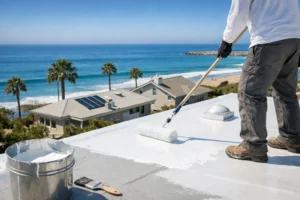
If the roof is aging, leaking, or nearing replacement, address that early. The same goes for soft framing, water intrusion around windows and doors, poor attic ventilation, cracked concrete that affects drainage, or exterior materials that are already failing. There is no benefit in installing a high-end interior finish package under a roof system that is on borrowed time.
This is where a full-service contractor adds real value. When one team can look at roofing, framing, exterior conditions, and remodeling scope together, you get a plan that makes sense in the field. It also reduces the common problem of one trade finishing work only to have another trade reopen it later.
A coastal home remodeling guide should begin with moisture control
Moisture is behind a large share of remodeling failures near the coast. Sometimes it shows up as visible leaks. Other times it builds slowly through poor ventilation, weak flashing details, or materials that absorb more water than homeowners realize.
Bathrooms and kitchens need special attention because they already produce moisture inside the home. If those spaces are being remodeled, it is worth checking exhaust performance, wall condition, subfloor integrity, and any signs of hidden damage around tubs, showers, sinks, and exterior walls. In older homes, a beautiful remodel can cover a moisture problem instead of solving it.
Flooring decisions also matter. Some materials handle humidity swings better than others. The best choice depends on the room, the subfloor, and whether the space sees sand, wet foot traffic, or strong sun exposure. What works in a formal dining room may not be the smartest option for a beach-adjacent entry or living area.
Choose materials for the coast, not just the showroom
This is where homeowners can save themselves a lot of frustration. Coastal remodeling materials should be selected based on performance first and appearance second.
Exterior products need to resist moisture, UV exposure, and wind-driven rain. Interior materials should stand up to humidity, seasonal movement, and heavier maintenance demands. That does not mean every finish has to look industrial or basic. It means each product should fit the environment.
For example, tile is often a strong choice in coastal homes because it handles moisture well and is easier to maintain when sand and water are part of daily life. Quartz countertops can be practical in busy kitchens because they are durable and low maintenance. On the exterior, trim, fasteners, and hardware should be evaluated with corrosion resistance in mind. Even a small decision like the wrong screw or hinge can shorten the life of nearby materials.
There are trade-offs, of course. Some premium products cost more upfront, and not every home needs the same level of upgrade. The key is knowing where better materials make the biggest difference. In most coastal remodels, that means spending wisely on the systems and surfaces that take the most exposure.
Don’t overlook windows, doors, and transitions
Openings are some of the most vulnerable parts of any coastal home. If windows and doors are outdated, poorly sealed, or improperly installed, they can contribute to water intrusion, energy loss, and storm-related damage.
During a remodel, this is often the right time to evaluate replacements or at least improve flashing, trim, and sealing details around existing openings. The same goes for transitions between roofing, siding, masonry, patios, awnings, pergolas, and additions. These areas are where water management problems often start.
It is easy to focus on the big visual features of a remodel and miss the smaller details that protect the home. In practice, those details are often what separate a remodel that lasts from one that needs repair work too soon.
Remodeling priorities that make sense in the Coastal Bend
Not every project has to be a full-home renovation. Many homeowners get better results by prioritizing the upgrades that improve both livability and durability.
Kitchen remodels are popular because they change how the home functions every day. But in coastal areas, the best kitchen remodel also accounts for ventilation, durable finishes, and layouts that support easy cleaning and maintenance. Bathroom remodels deserve the same practical thinking. A clean design is great, but proper waterproofing and moisture control matter more than decorative trends.
Outdoor living upgrades are another smart investment in South Texas, especially when they are built for the climate. Covered patios, pergolas, pool deck improvements, and concrete work can add a lot of value and comfort, but they need to be designed with drainage, material expansion, and long-term exposure in mind.
Room additions and larger remodels require even more planning. Once you expand the footprint or alter the structure, you need to think carefully about roof tie-ins, foundation work, weatherproofing, and how the new section will perform alongside the existing home.
Budget for the hidden work, not just the visible work
One of the most common remodeling mistakes is spending the budget too heavily on finishes before the project begins. In coastal construction, hidden work often matters more. Repairs to framing, roof decking, sheathing, flashing, ventilation, or drainage are not the glamorous part of the remodel, but they are often the most necessary.
That is why clear planning and a realistic estimate matter. Homeowners should understand what is included, what existing conditions may affect pricing, and where contingency funds make sense. If a contractor is remodeling an older coastal home, some degree of unforeseen repair is always possible once walls or exterior assemblies are opened.
A dependable contractor should be direct about that. You want communication early, not surprises late.
Work with a contractor who can manage the whole scope
Coastal remodeling moves more smoothly when one experienced team can coordinate the major parts of the job. Roofing, exterior repairs, structural adjustments, interior remodeling, concrete, and finish work are all connected more often than people think.
When homeowners have to manage separate companies for each phase, timelines can slip and responsibility can get blurry. A one-stop contractor model helps keep the project organized, especially when decisions in one area affect another. That matters for efficiency, but it also matters for accountability.
In a market like Corpus Christi, local experience is part of the service. A contractor who understands coastal conditions, regional building expectations, and how these homes age is in a better position to recommend upgrades that make sense for the area. Coastal Roofing and Construction takes that approach by looking at the full property, not just a single line item on a bid.
The best coastal home remodeling guide is practical, not trendy
Trends come and go quickly. Coastal remodeling should be guided by how the home performs, how it fits your daily life, and how well it stands up over time. A layout that improves traffic flow, materials that hold up to humidity, and exterior details that better protect the structure will usually return more value than chasing whatever finish is popular this year.
If you are planning a remodel, start with an honest look at the home as it is right now. Identify the vulnerable areas first. Then build a project plan around durability, code compliance, and the spaces that matter most to how you live.
A good remodel should feel like an upgrade from day one. A smart coastal remodel should still be doing its job years from now, after the wind picks up, the humidity settles in, and real life has had time to test the work.