
A roof estimate can look simple at first glance – a total price, a few materials, maybe a timeline. Then the questions start. Why is one bid thousands lower than another? Are permits included? What happens if damaged decking shows up after tear-off? That is where a solid roofing estimate guide homeowners can actually use makes a difference.
If you own a home in Corpus Christi or anywhere along the Coastal Bend, your roof has to stand up to heat, humidity, wind, salt air, and storm season. An estimate is not just a price sheet. It is a preview of how a contractor plans, communicates, and protects your property. When you know what to look for, you can compare bids more clearly and avoid surprises once work begins.
What a roofing estimate should really tell you
A good estimate should explain more than the cost of shingles. It should show the scope of work, the materials being used, the labor involved, and the conditions that could change the final invoice. Homeowners often focus on the bottom-line number first, but the real value is in the details behind that number.
At minimum, you should expect clear information about tear-off or overlay, underlayment, flashing, ventilation, drip edge, disposal, cleanup, and warranty coverage. If the estimate is vague on these points, you are not getting enough information to make a fair comparison.
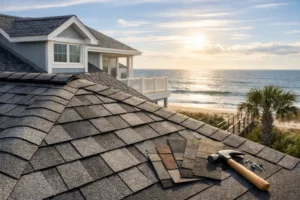
For coastal homes, details matter even more. Wind-rated installation methods, code requirements, and product choices can affect both performance and long-term cost. A cheaper estimate may leave out items that are necessary in this market, which means the low number can rise fast once the job starts.
Roofing estimate guide homeowners can use before signing
Start by checking whether all bids are based on the same scope. One contractor may be quoting a full tear-off, while another is pricing a layover on top of existing shingles. Those are not equal proposals, even if both say roof replacement.
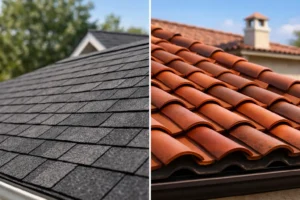
Next, look at material specifications. Brand names matter, but so do product lines and installation components. A quote for architectural shingles with quality underlayment and updated flashing is not the same as a quote built around basic materials across the board. If a contractor only lists “shingles” without any details, ask for clarification.
Labor and project management are also part of the estimate, even if they are not broken out line by line. Experienced crews, proper supervision, protection for landscaping, and thorough cleanup all cost money. That does not mean the highest bid is automatically the best one. It does mean that a very low bid should be examined closely.
Then review the fine print around change orders. Roofing projects can uncover rotten decking, hidden leaks, or structural issues once the old roof comes off. A professional estimate should explain how unforeseen repairs are handled and how approval will be communicated before extra work is done.
The line items that deserve a closer look
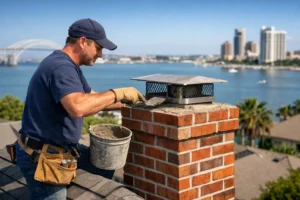
Some of the most important parts of a roof are the easiest to overlook in an estimate. Flashing around chimneys, valleys, walls, and penetrations is one example. If flashing work is missing or barely mentioned, that is a red flag. Leaks often start at transitions, not in the middle of the field shingles.
Ventilation is another area where estimates vary. Proper intake and exhaust ventilation help regulate attic temperature and moisture, which affects roof life and home efficiency. Not every house needs the same solution, so this is one of those areas where it depends on the structure, the attic layout, and the existing system. Still, the estimate should show that ventilation was considered.
Decking is often handled as an allowance or as a per-sheet extra. That is normal because no one can fully inspect the decking until tear-off begins. The key is transparency. You should know the unit cost ahead of time and understand when replacement would be necessary.
Permits and code compliance should be addressed directly. In a market like Corpus Christi, local code familiarity is not optional. If an estimate does not mention permits, inspections, or applicable code requirements, ask whether those costs and responsibilities are included.
Why one roofing estimate can be much higher or lower
There are honest reasons for price differences. Material quality, roof complexity, access, steepness, number of penetrations, and the condition of the existing system all affect cost. A simple ranch home is not priced the same as a steep roof with valleys, dormers, skylights, and limited access.
The contractor’s operating standards also play a role. Companies that carry proper insurance, use trained crews, follow safety practices, and manage projects closely usually have higher overhead than someone pricing jobs casually. That can show up in the estimate, but it also affects reliability, workmanship, and how problems are handled.
At the same time, a high price does not guarantee a better result. Some estimates are padded. Others include upgrades you may not need. That is why the best comparison is not lowest versus highest. It is completeness, clarity, and whether the proposed system fits your home and your goals.
Questions to ask before you approve the job
When reviewing a roofing estimate, ask who will be on site managing the project and how communication will work if weather or hidden damage changes the schedule. Ask whether property protection and final cleanup are included. Ask what the workmanship warranty covers and who handles manufacturer warranty registration, if applicable.
You should also ask about payment structure. A reasonable deposit may be part of the process, especially when materials are ordered in advance, but the terms should be clear. Be cautious with any contractor demanding full payment up front.
Timeline questions matter too. An estimate should give you a realistic sense of scheduling, not just an ideal scenario. Coastal weather can shift quickly, and a dependable contractor will explain how rain delays or wind conditions are handled without giving you a vague answer.
How storm damage changes the estimate process
After a hail or wind event, homeowners often need an estimate fast. That urgency is understandable, but it can also lead to rushed decisions. In storm situations, the estimate may involve temporary repairs, insurance documentation, and a more detailed inspection of flashing, underlayment, and decking exposure.
If insurance is involved, your contractor’s estimate and the carrier’s scope may not match exactly. That does not always mean someone is wrong. It may mean one scope is missing code-related items, accessory replacement, or labor details. The best approach is a contractor who can explain the difference clearly and help you understand what is necessary versus what is optional.
For homeowners, the main point is simple: do not treat a storm estimate like a generic price quote. It is often part construction document and part damage record, and accuracy matters.
Choosing the right contractor, not just the right number
A roofing estimate guide homeowners trust should lead to one bigger point: you are not only buying materials. You are hiring a company to protect your home, manage the work, and stand behind the finished product.
Look for a contractor who explains the estimate in plain language, answers questions directly, and does not rush you through the paperwork. In the Coastal Bend, local experience matters because roofing here is shaped by wind exposure, heat, salt air, and regional code expectations. A contractor who works in this environment every day is better positioned to recommend a roof system that fits the property instead of selling a one-size-fits-all package.
That is also where a full-service company can make the process easier. If roof work connects to chimney repair, fascia replacement, soffit work, or other exterior issues, having one accountable team reduces handoffs and confusion. Coastal Roofing and Construction works that way because homeowners do not need more moving parts during a major project.
A strong estimate should leave you feeling informed, not pressured. If the details are clear, the scope is complete, and the contractor communicates like a professional from the start, you are already seeing what the project experience is likely to be. And when the next heavy wind rolls in off the coast, that confidence matters just as much as the shingles overhead.