A roof leak usually starts small – a stain on the ceiling, a damp spot near a vent, or a drip that only shows up during heavy rain. But roof leak repair cost can change fast depending on how long the problem has been there, what caused it, and whether water has already reached the decking, insulation, or interior finishes.
Along the Texas coast, leaks can be especially tricky. Wind-driven rain, salt air, storm exposure, and heat all put extra stress on roofing systems. That means the price to fix a leak is not just about sealing one obvious opening. In many cases, the real cost comes from tracking the water path correctly and repairing the full damaged area so the problem does not return.
What affects roof leak repair cost
The biggest factor is the source of the leak. A simple issue around a pipe boot or a few lifted shingles is usually less expensive than a leak tied to flashing failure, underlayment damage, or rotten decking. Two roofs can show the same ceiling stain inside and still need very different repairs once the roofing material is opened up.
Roof type matters too. Asphalt shingle repairs are often more straightforward because the materials are common and the repair area can sometimes be isolated. Tile, slate, and low-slope roofing systems can take more labor, more specialized materials, and more care during removal and replacement. On commercial buildings, leak detection may also take longer because water can travel far from the point where it enters.
Accessibility also changes pricing. A one-story home with a moderate roof pitch is generally easier and safer to work on than a steep, high, or complex roofline. Valleys, dormers, chimneys, skylights, and second-story transitions all add time because they create more potential failure points and make repairs more detailed.
Timing plays a role as well. If a leak is addressed early, the repair may stay limited to roofing materials and localized flashing work. If it sits for weeks or months, moisture can damage decking, framing, drywall, paint, and even flooring. At that point, the roof repair may be only one part of the total project.
Typical roof leak repair cost ranges
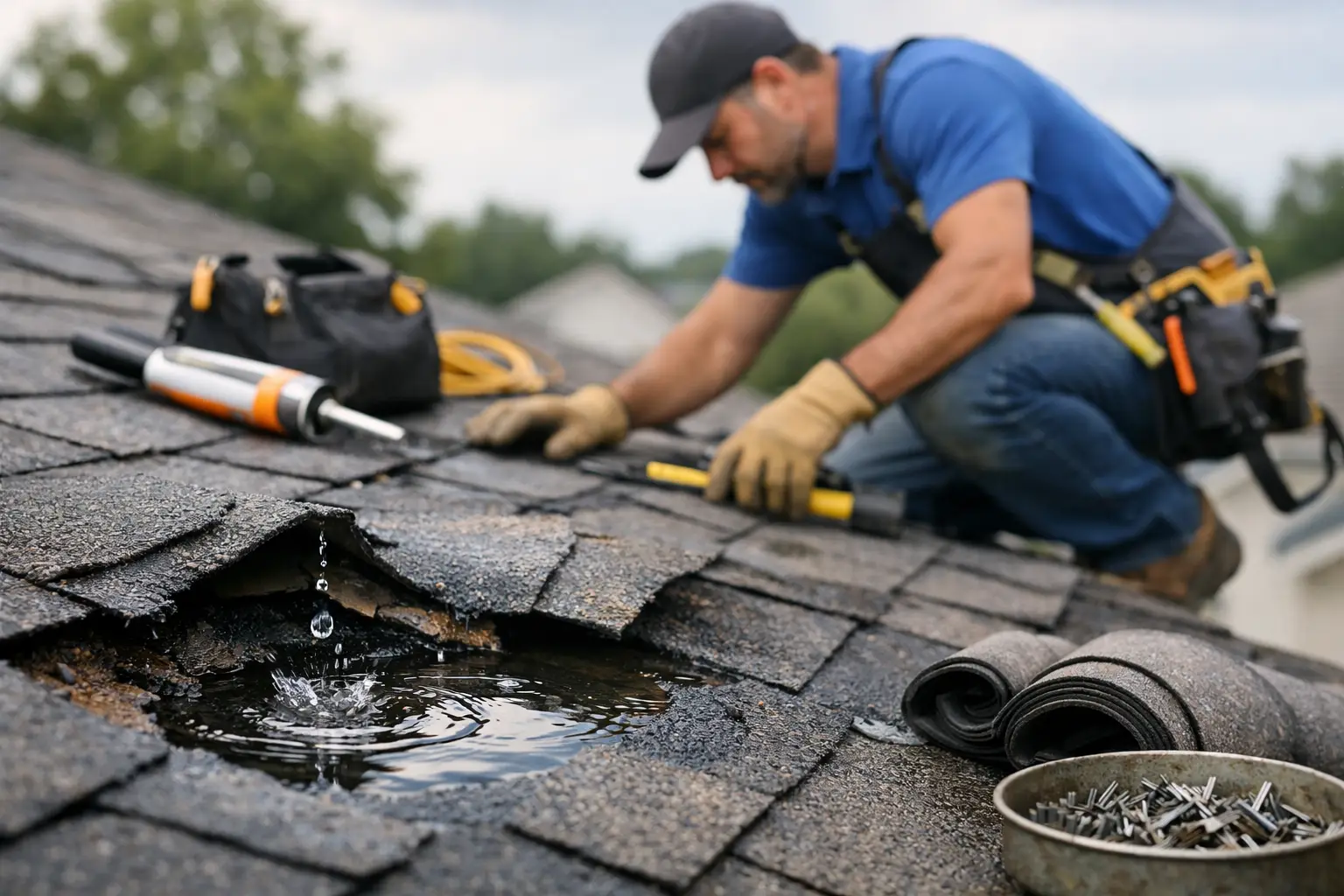
For a minor roof leak caught early, homeowners often pay a few hundred dollars for a targeted repair. That might include replacing a small section of shingles, resealing flashing, or repairing a vent penetration. When the leak is more involved and materials underneath have been affected, costs often move into the mid-range, especially if sections of decking need replacement.
A larger repair can reach into the thousands when the damaged area is widespread, the roof system is specialty material, or the leak has caused interior damage. Commercial properties may also see higher totals because diagnostic work, safety requirements, and low-slope repair methods can be more labor-intensive.
That is why broad online estimates can be misleading. A leak repair is one of those services where the visible symptom rarely tells the full story. A contractor has to inspect the roof surface, the surrounding details, and sometimes the attic or interior ceiling before giving a reliable number.
Why the leak location matters
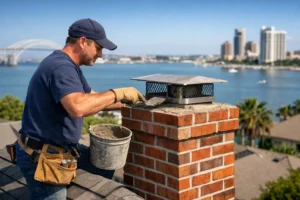
Not all leaks are priced the same because not all leak locations are equally simple to repair. A leak near an exposed vent pipe is usually easier to isolate than one around a chimney, roof valley, or wall transition. Those areas involve layered materials, precise flashing details, and a greater chance that water has spread beyond the obvious entry point.
Skylights are another example. Sometimes the issue is the flashing around the unit. Other times the skylight itself has failed, or condensation is being mistaken for a roof leak. That changes both the repair scope and the cost.
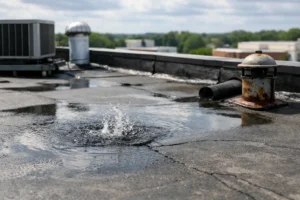
Flat and low-slope roofs bring their own challenges. Water can pond, seams can separate, and penetrations can fail in ways that are not always visible from the ground. On those roofs, finding the true cause may take more time than the actual repair.
Hidden damage can change the price
This is where many property owners get surprised. The exterior opening may look minor, but once wet materials are removed, the crew may find soft decking, mold, rusted fasteners, or damaged fascia. If the leak has been active long enough, insulation and drywall can also need replacement.
That does not mean every leak turns into a major repair. It means the honest answer is often, it depends on what is underneath. A dependable contractor should explain that upfront instead of giving a low number that only covers the visible symptom.
In coastal areas, repeated moisture exposure can accelerate deterioration. Salt air and storm cycles do not give roofing materials much of a break. If an older roof has several weak points, fixing one leak may reveal that the system is nearing the point where repeated repairs stop making financial sense.
Repair or replacement?
Sometimes the smartest question is not, what does roof leak repair cost, but whether a repair is still the right investment. If the roof is relatively new and the leak is isolated, repair is usually the clear choice. If the roof is older, has storm wear, or has been patched multiple times, a replacement may offer better long-term value.
That trade-off matters because a low repair bill today can become an expensive pattern if new leaks keep showing up. A property owner may end up paying for repeated service calls, interior touch-ups, and emergency tarping, only to replace the roof a year later anyway.
A good contractor will not push replacement when a solid repair will do the job. But they should be direct if the roof condition suggests that a patch is only buying limited time.
How to keep repair costs from climbing
The best way to control cost is early action. If you see a water stain, bubbling paint, missing shingles, or moisture in the attic, schedule an inspection before the next storm does more damage. Waiting rarely makes a roof leak cheaper.
It also helps to avoid temporary fixes that mask the problem. Caulk spread over the wrong area or a quick patch from someone unfamiliar with the roof system can trap water, void material warranties, or make the eventual repair more complicated.
Routine inspections are worth it, especially after high winds or heavy rain. On the coast, roof systems take more punishment than they do inland. Small maintenance issues around flashing, fasteners, and sealants can often be corrected before they become active leaks.
What to expect from a professional inspection
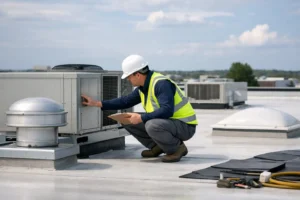
A proper leak inspection should do more than point at a stain and recommend a patch. The contractor should look at the roof covering, penetrations, transitions, drainage paths, and signs of aging or storm impact. On residential properties, attic conditions can offer useful clues. On commercial properties, the inspection may include membrane seams, rooftop units, and drainage components.
You should also expect a clear explanation of what is known, what may only be confirmed after opening the area, and whether there are signs of broader roof failure. Straight talk matters here. Nobody benefits from a vague estimate that leaves out likely repair steps.
For property owners in Corpus Christi and the Coastal Bend, local experience counts. Coastal Roofing and Construction understands how coastal weather, building codes, and roof design affect both leak diagnosis and repair planning. That kind of hands-on knowledge helps keep repairs focused, efficient, and built to last.
When a higher price is actually the better value
The cheapest leak repair is not always the lowest real cost. If a contractor only treats the visible spot without correcting the surrounding failure, the leak can come back with the next hard rain. Then you are paying twice, and possibly paying for additional interior damage as well.
Value comes from accurate diagnosis, sound workmanship, and using materials that fit the roof system. It also comes from communication. Property owners need to know whether the repair is expected to solve the issue fully, whether more damage may be uncovered, and what the next steps will be if conditions change during the work.
A roof leak can feel urgent, and it is. But the right response is not panic. It is getting a qualified local contractor to find the source, explain the scope honestly, and repair it before a manageable issue turns into a larger construction project. If you address it early, roof leak repair cost usually stays far more reasonable than the cost of waiting.