A lot of sellers spend money in the wrong places right before listing. They take on trendy projects, overbuild for the neighborhood, or ignore the repairs buyers notice first. If you are weighing the best upgrades before selling home, the goal is not to make the house feel brand new. The goal is to make it feel well cared for, functional, and worth the asking price.
That matters even more along the Texas coast, where buyers pay close attention to roofs, exterior condition, moisture issues, and anything that looks like deferred maintenance. A beautiful backsplash will not calm a buyer who is worried about leaks, rotten trim, or an aging roof. Before you put money anywhere, start with the upgrades that protect value and reduce buyer hesitation.
How to think about the best upgrades before selling home
The right pre-sale upgrade comes down to return, timing, and buyer perception. Some projects add obvious visual appeal. Others matter because they keep a deal from falling apart during inspection. The strongest investments usually do both.
In most cases, sellers should prioritize repairs and improvements in this order: structural and weather-related items first, visible wear and tear second, and cosmetic polish third. That approach helps you avoid spending thousands on finishes while bigger concerns are still sitting in plain sight.
It also helps to be realistic about your market. A modest home in an established neighborhood does not usually need a luxury kitchen overhaul to sell well. It may need a roof repair, fresh paint, updated lighting, and a clean exterior. Buyers are often more comfortable paying strong market value for a house that feels solid than for one with flashy upgrades hiding basic issues.
1. Roofing repairs or replacement
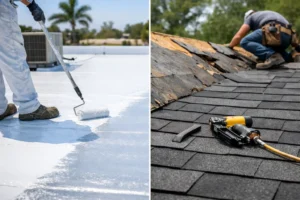
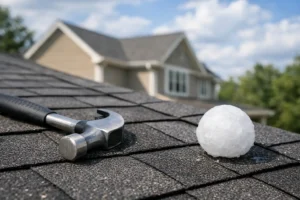
If there is one area sellers should not ignore, it is the roof. In coastal markets, roof condition can shape a buyer’s entire opinion of the property. Missing shingles, visible sagging, old flashing, soft spots, or signs of leaks can lead to lower offers, insurance concerns, and inspection problems.
A full replacement is not always necessary. Sometimes targeted repairs, sealing vulnerable areas, replacing damaged materials, and cleaning up visible wear are enough to reassure buyers. But if the roof is near the end of its service life, replacement may be the better business decision. A tired roof can stall a sale even when the rest of the house shows well.
This is one of those upgrades where local experience matters. Coastal weather, wind exposure, and code requirements are not side issues in Corpus Christi and the surrounding Coastal Bend. Buyers know that, and they will look closely.
2. Exterior repairs and curb appeal
First impressions are fast, and buyers start forming them before they walk through the front door. Cracked siding, peeling paint, damaged trim, stained soffits, worn concrete, or a neglected entry can make the whole property feel harder to maintain.
The best curb appeal upgrades are usually practical, not dramatic. Repair wood rot. Replace broken shutters or damaged fascia. Touch up exterior paint where needed. Pressure wash driveways and walkways. Refresh mulch, trim overgrown landscaping, and make sure the front door and hardware look clean and intentional.
For many homes, this work delivers a better return than a major decorative project because it signals basic pride of ownership. Buyers want to feel that the home has been looked after, especially on the outside where weather does the most damage.
3. Fresh interior paint
Fresh paint is one of the safest and most cost-effective upgrades before listing. It makes a home look cleaner, brighter, and more move-in ready without forcing buyers to mentally subtract repainting costs from their offer.
Neutral colors usually work best because they help rooms feel larger and allow buyers to picture their own furniture and style. That does not mean every wall has to look stark or flat. It means avoiding bold colors that narrow the pool of interested buyers.
If the budget is tight, focus on the most visible spaces first: the entry, living room, kitchen, hallways, and primary bedroom. Also pay attention to trim, doors, and baseboards. Scuffed trim can make even a freshly painted room feel unfinished.
4. Kitchen updates that do not turn into a full remodel
Kitchens sell homes, but full kitchen remodels before a sale are often hard to justify. They are expensive, time-consuming, and easy to overdo for the neighborhood. In many cases, the better move is a controlled update rather than a complete reset.
Painted or refinished cabinets, updated hardware, modern light fixtures, a new faucet, repaired drawers, and clean countertops can go a long way. If appliances are mismatched, visibly old, or not working properly, replacing them may help. If the layout is functional, there is usually no need to tear everything out.
This is a classic it-depends category. If the kitchen is badly dated and the rest of the market is more updated, stronger improvements may be worth considering. But most sellers get better results from making the kitchen look clean, bright, and operational instead of fully custom.
5. Bathroom improvements buyers notice right away
Bathrooms are similar to kitchens in one important way: buyers pay attention to cleanliness, condition, and maintenance more than luxury finishes. A bathroom does not need high-end stone and designer fixtures to show well. It does need to feel clean and dependable.
Replace stained caulk, repair leaks, update old faucets, install better lighting, and swap out worn mirrors or hardware if they date the room. Regrouting tile, replacing a damaged vanity top, or installing a new toilet can be money well spent if the existing condition is pulling the space down.
If there are moisture issues, fix them fully. Cover-up work rarely survives an inspection, and buyers tend to react strongly to water-related concerns.
6. Flooring fixes that make the home feel cared for
Worn flooring affects the entire showing experience. Buyers notice stained carpet, cracked tile, lifting vinyl, and uneven transitions immediately because they interact with floors in every room.
The right solution depends on the home and the budget. Deep cleaning may be enough for carpet in decent condition. Replacing badly worn carpet in key rooms can make a home feel much fresher. Damaged hard-surface flooring should be repaired or replaced if it creates a visible maintenance issue.
Consistency matters here. A house with three different flooring types meeting awkwardly in the main living areas can feel choppy and pieced together. You do not always need premium materials, but a clean, cohesive look helps.
7. Lighting and fixture updates
This category is easy to underestimate. Outdated fixtures can make a home feel older than it is, while simple updates can sharpen the overall presentation quickly.
Replace builder-grade lights that look dated, especially in dining areas, bathrooms, entryways, and over kitchen islands. Make sure every bulb works and use consistent color temperature throughout the home. Update ceiling fans if they are noisy, mismatched, or visibly worn.
New cabinet pulls, door hardware, faucets, and switch plates can also help tie rooms together. These are smaller improvements, but they often support the larger impression that the house has been maintained with attention to detail.
8. Addressing inspection issues before buyers find them
Some of the best upgrades before selling home are not glamorous at all. They are the repairs that keep a transaction moving.
Loose handrails, GFCI issues, leaking plumbing, damaged flashing, cracked masonry, rotten trim, sticking doors, and HVAC problems may not show up in listing photos, but they show up later in inspections. And once they do, they often come back as credits, price reductions, or repair requests.
Taking care of these items in advance gives sellers more control. It also sends a strong message that the property has been responsibly maintained. For homeowners who want one team to manage multiple scopes, a contractor such as Coastal Roofing and Construction can help coordinate roofing, exterior repairs, and broader improvement work without turning the process into a juggling act.
9. Outdoor living and functional exterior spaces
In South Texas, usable outdoor space has real value. Buyers notice covered patios, solid pergolas, clean pool decks, safe walkways, and well-kept fencing because those features affect how the home lives day to day.
This does not mean you should build an elaborate backyard project just to sell. But if an existing patio cover needs repairs, the deck has cracked sections, or the fence is leaning, those improvements can strengthen the property’s appeal. Outdoor areas should feel safe, usable, and easy to enjoy.
What not to do before listing
The biggest mistake sellers make is overimproving. If you spend like you are renovating for yourself, you may not get that money back at closing. Custom finishes, luxury materials, and major layout changes can make sense in some higher-end homes, but they are often the wrong move for an average resale.
It is also a mistake to put all your money into cosmetic upgrades while ignoring the roof, exterior envelope, drainage, or structural wear. Buyers may admire the finishes and still lower their offer because the home feels risky.
A smarter approach is balanced. Fix what could raise concerns, improve what buyers see first, and stop before the project list turns into a full remodel.
When you are deciding where to spend, ask a simple question: will this upgrade help the home feel more solid, more marketable, or easier to sell at the right price? If the answer is no, your money may be better spent elsewhere. The best pre-sale work is the kind that gives buyers confidence from the first look to the final inspection.