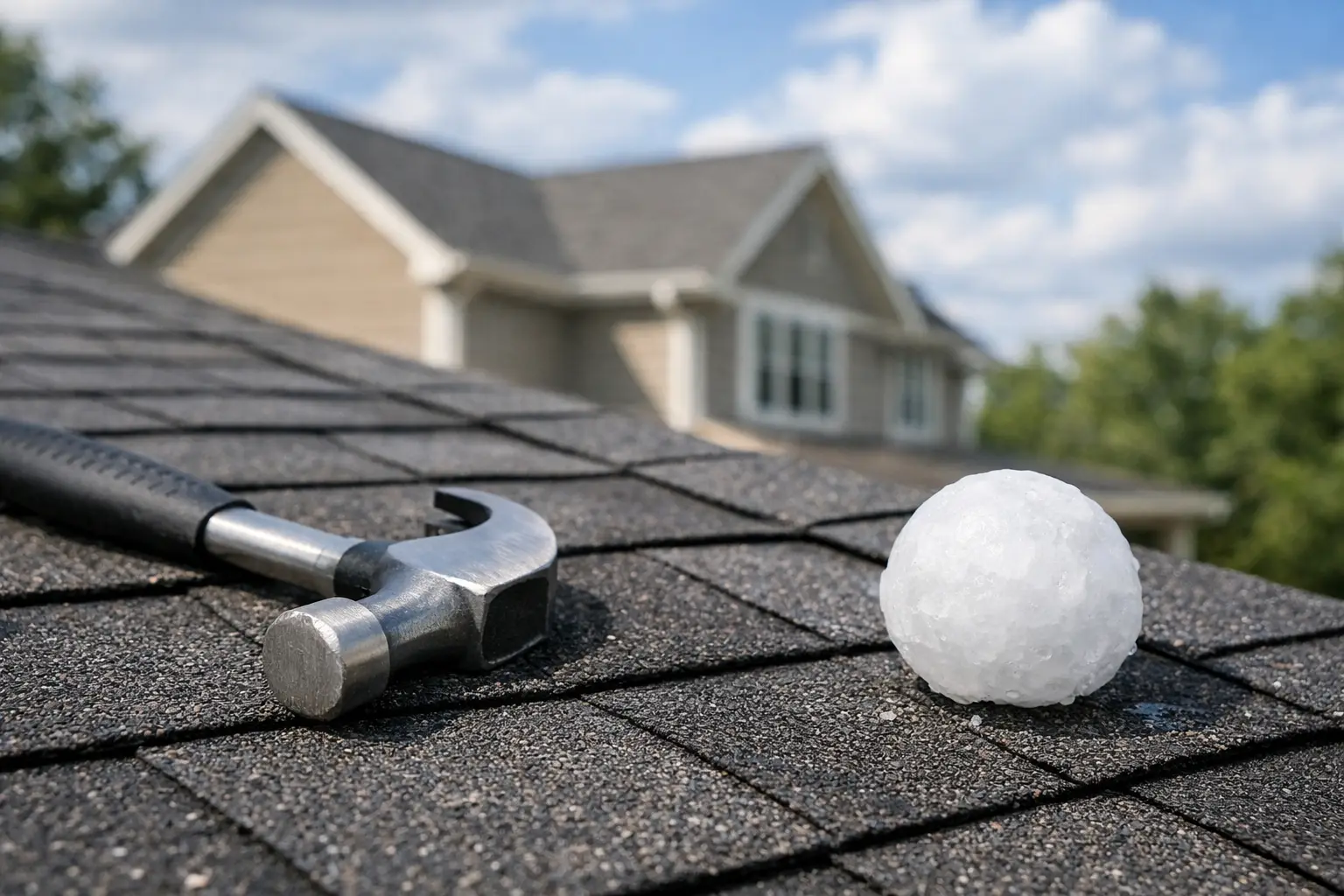
If you own property on the Texas coast, roof choices are not theoretical. Hail, wind, heat, salt air, and insurance questions all show up fast when a storm rolls through. That is why an impact resistant shingles review matters – not as a sales pitch, but as a practical look at whether these shingles actually give you better protection and better value.
For many homeowners and property managers, the short answer is yes, but only under the right conditions. Impact resistant shingles can help reduce damage from hail and flying debris, and they may hold up better than standard architectural shingles in rough weather. At the same time, they cost more upfront, they are not damage-proof, and the product is only part of the equation. Installation quality, roof design, ventilation, and local code requirements still make a major difference.
What impact resistant shingles are supposed to do
Impact resistant shingles are asphalt shingles designed to better absorb and disperse the force of hail or debris strikes. In most cases, they use a reinforced mat, polymer-modified asphalt, or a similar construction that helps the shingle flex instead of cracking when hit.
The rating most people hear about is Class 4. That rating comes from a lab test where steel balls are dropped to simulate impact. A Class 4 shingle is the highest common rating in that test. It is a useful benchmark, but it should not be treated like a guarantee. Lab performance does not mean a roof will never show bruising, granule loss, or punctures in a real storm.
That trade-off matters. A stronger shingle can reduce the chance of full replacement after moderate hail, but no roofing material eliminates risk entirely. Large hail, high winds, poor attic ventilation, weak decking, and aging underlayment can still lead to expensive repairs.
Impact resistant shingles review for coastal Texas properties
In a market like Corpus Christi and the Coastal Bend, roofing decisions have to account for more than one weather threat. Hail resistance gets the attention, but your roof also needs to handle wind uplift, UV exposure, heavy rain, and the wear that comes from a humid, salty environment.
This is where impact resistant shingles can make sense. Many premium lines are built as complete performance shingles, not just hail shingles. That means they often come with stronger wind ratings and upgraded construction overall. For a homeowner replacing an aging roof, that can be a more practical move than simply choosing the cheapest architectural shingle available.
Still, not every property needs them. If your roof has complicated geometry, aging decking, chronic ventilation issues, or storm damage that extends beyond the shingles, paying more for an upgraded product without fixing the underlying problems is money spent in the wrong place. Good roofing decisions start with the whole system.
How they perform in the real world
The best thing about impact resistant shingles is that they tend to buy you margin. That margin may show up as less visible cracking after hail, fewer torn tabs in a wind-driven storm, or less cosmetic damage from debris. On some roofs, that means the difference between a minor repair and a major claim.
The less exciting truth is that results vary by storm and by roof. Hail size matters. Roof slope matters. Tree cover matters. So does the age of the shingle. A brand-new Class 4 roof is in a different position than a roof that has been baking in Texas heat for 12 years.
There is also a difference between resisting impact and resisting every form of damage. A shingle can survive a hail strike better than a standard product and still suffer granule loss, seal strip issues, or flashing-related leaks elsewhere on the roof. That is why a full inspection after a storm still matters, even with a premium shingle.
Cost versus value
This is usually the deciding point. Impact resistant shingles cost more than standard architectural shingles, sometimes modestly and sometimes enough to noticeably affect the project budget. Whether that premium is worth it depends on your property, your insurance situation, and how long you plan to keep the building.
If you are in a hail-prone area and expect to own the property for years, the value case gets stronger. You may see fewer repairs, a lower likelihood of early replacement, and in some cases an insurance discount. If you are replacing a roof mainly to prepare a home for sale in the near future, that higher material cost may not pay you back the same way.
Commercial owners and managers should think about this a little differently. On a business property, roof downtime and interior disruption can cost more than the shingle upgrade itself. If a tougher roof covering reduces the chance of emergency leaks, tenant complaints, or interrupted operations, the math can work in your favor even if the material cost is higher.
What to look for beyond the label
A Class 4 label is a good starting point, but it should not be the only factor in your decision. You also want to know how the shingle performs in high wind, what the manufacturer requires for installation, what accessory products are recommended, and how the warranty is structured.
Pay attention to the entire roofing assembly. Starter shingles, ridge components, underlayment, ventilation, flashing details, and fastener placement affect the finished roof more than many owners realize. A premium shingle installed carelessly can underperform a mid-range product installed correctly.
This is one reason local contractor experience matters. In the Coastal Bend, the roof has to be built for local conditions, local code, and real storm patterns – not just a brochure. Coastal Roofing and Construction approaches these projects that way, looking at the roof system as a whole instead of treating the shingle choice like the only decision that matters.
Common drawbacks homeowners should know upfront
The first drawback is simple: price. If budget is tight, impact resistant shingles may stretch the project more than expected. The second is expectation management. Some homeowners hear “impact resistant” and assume “hail proof.” That is not how roofing works.
There can also be product variation between manufacturers. Two shingles may both carry a Class 4 rating while still differing in thickness, flexibility, granule adhesion, wind resistance, and long-term appearance. That is why brand and installer guidance matter.
Another point that often gets missed is repair matching. If one slope takes damage years later, matching older premium shingles can still be difficult depending on color availability and weathering. That is not unique to impact resistant products, but it is worth considering when you choose a style and manufacturer.
When impact resistant shingles are worth it
They are usually worth serious consideration if your current roof has a history of hail damage, if your neighborhood sees frequent storm activity, or if you want longer-term protection and plan to stay in the property. They also make sense when insurance incentives help offset the added cost, or when protecting interior operations is a high priority for a business.
They may be less compelling if the roof is already near the end of its service life due to poor ventilation, structural issues, or deferred maintenance elsewhere. In those cases, the better investment is often a properly designed replacement system rather than just a tougher shingle.
For coastal properties, the best approach is not to ask whether impact resistant shingles are the best product in every case. The better question is whether they are the best fit for your building, your risk level, and your budget.
Final take on this impact resistant shingles review
If you want the straight answer, impact resistant shingles are a solid upgrade for many Texas homes and commercial properties, especially where hail exposure is a recurring concern. They offer meaningful performance benefits, but they are not a shortcut around poor installation or neglected roof conditions.
The smartest next step is to have the roof evaluated as a full system, not just priced by shingle brand. When the decking, ventilation, flashing, and installation details are handled correctly, impact resistant shingles have a much better chance of delivering the protection you are paying for. A roof should not just survive the next storm – it should make the next storm less disruptive to your home or business.