If you live or manage property on the Texas coast, roof problems usually do not start with a dramatic leak. They start with a lifted shingle after wind, a flashing gap near a vent, or a small area of ponding water that sits too long. That is why homeowners and property managers often ask how often inspect roof systems in a place like Corpus Christi. The short answer is twice a year and after major storms, but the real answer depends on your roof type, its age, and how much coastal weather it sees.
How often inspect roof systems on the coast
For most residential and commercial properties, a roof should be inspected at least once in the spring and once in the fall. That schedule gives you a chance to catch damage after winter weather and again after the heaviest summer heat, storms, and hurricane activity begin to build.
Along the Coastal Bend, twice a year is the baseline, not the aggressive option. Salt air, strong sun, wind-driven rain, and storm season all put more stress on roofing materials than many inland markets see. If your roof is older, has a history of repairs, or protects a commercial building with flat sections, more frequent checks may make sense.
A good rule is simple. Inspect on a schedule, and inspect again after any event that could have caused damage. That includes hail, tropical storms, high winds, fallen branches, or any leak you notice inside the building.
Why the inspection schedule changes in Corpus Christi
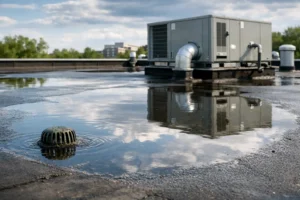
Roofing advice that works in a mild, dry climate does not always hold up on the coast. Here, UV exposure can age shingles faster. Wind can loosen edges and flashing. Heavy rain can reveal drainage problems that stay hidden in drier conditions. On flat or low-slope commercial roofs, standing water can turn a small maintenance issue into membrane failure if it is ignored.
That is the trade-off property owners need to understand. Waiting longer between inspections may save time in the short term, but it often increases repair cost later. More frequent inspections do not mean constant major work. In many cases, they catch smaller issues while they are still easy to correct.
Older roofs need closer attention than newer systems. A roof that is 15 to 20 years old should not usually be checked on the same schedule as one installed in the last few years. The materials have already been through years of heat cycles, wind exposure, and expansion and contraction. Even if the roof still looks acceptable from the ground, the risk of hidden wear is higher.
When a roof needs inspection sooner
There are times when waiting for your regular spring or fall inspection is not the right move. If you see a ceiling stain, bubbling paint, missing shingles, sagging gutters, loose flashing, or debris impact, your roof deserves attention now.
Commercial properties often have a second reason to act quickly. Small roof issues can interrupt operations, damage inventory, or create liability concerns if water reaches public areas. For businesses, an inspection is not just about the roof surface. It is part of protecting the building as a whole and avoiding disruption.
The same is true after storms, even if there is no visible leak yet. Wind damage does not always create immediate interior symptoms. Sometimes shingles crease or lift just enough to shorten their lifespan, and the leak shows up weeks later under the next round of rain.
How often inspect roof materials by type
Different roofing systems age differently, and inspection timing should reflect that.
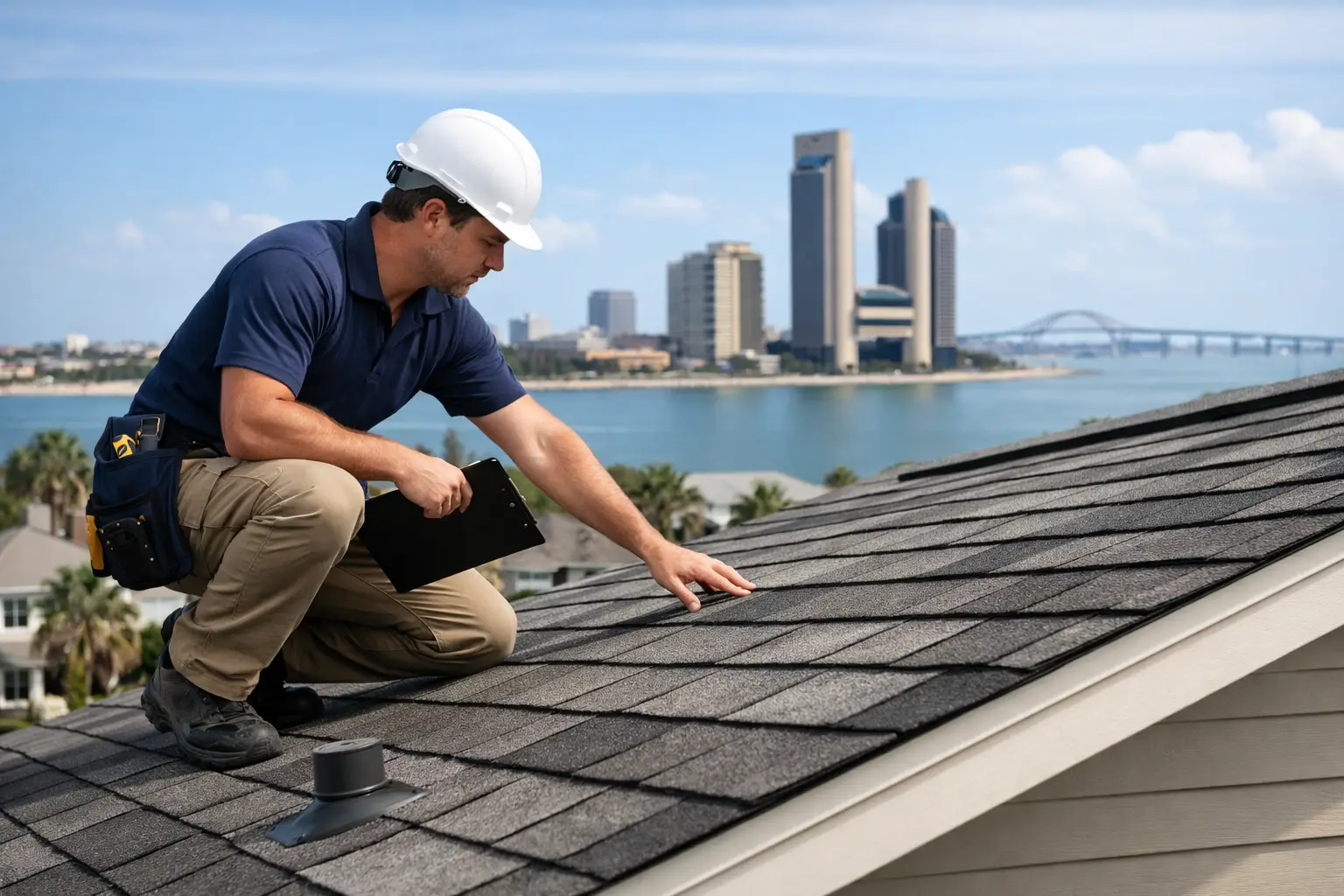
Asphalt shingle roofs should generally be inspected twice a year, with added checks after major wind or hail events. On the coast, shingle tabs and seal strips can be vulnerable to repeated wind exposure, especially on older roofs.
Clay tile and slate roofs are durable, but they still need regular inspection. The material itself may last a long time, yet underlayment, flashing, and individual broken or displaced pieces can still create water entry points. These roofs benefit from scheduled professional inspections because damage is not always easy to spot from the ground.
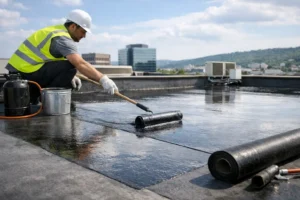
Flat and low-slope roofs often need the most consistent attention. Water drainage, seam condition, penetrations, and membrane wear should be monitored closely. For many commercial buildings, twice a year is the minimum, and quarterly walk-throughs may be justified depending on age, tree coverage, traffic, or previous repair history.
What a roof inspection should actually look for
A real roof inspection is more than a quick glance at shingles from the driveway. It should look at the full roofing system, including surface materials, flashing, penetrations, drainage, edges, sealants, and visible signs of structural stress.
Inside the property, the inspection should also consider attic conditions, signs of moisture intrusion, staining, mold risk, and ventilation problems. Many leaks do not enter directly above the visible water stain. Water can travel before it appears inside, which is one reason roof issues can be misleading.
For commercial properties, inspectors should pay close attention to rooftop equipment curbs, drains, scuppers, parapet transitions, and any area where different materials meet. Those are common failure points, especially after heavy weather.
DIY checks versus professional inspections
Property owners can do basic visual checks from the ground. It is reasonable to look for missing materials, sagging areas, displaced flashing, clogged gutters, or debris accumulation after a storm. That kind of awareness is useful and often helps catch changes early.
But a ground-level check is not the same as a professional inspection. Safety matters, and so does experience. Some damage is subtle. A trained roofer knows how to spot soft signs of failure before they become expensive repairs.
There is also a judgment factor. Not every worn sealant line means immediate replacement, and not every stain means the roof itself is failing. Sometimes the issue is flashing. Sometimes it is ventilation. Sometimes it is drainage. A dependable inspection helps you avoid overreacting and underreacting at the same time.
Signs you may be inspecting too little
If roof inspections only happen when a leak appears, the schedule is probably too sparse. By the time water reaches the ceiling, the problem may already involve decking, insulation, framing, or interior finishes.
Another warning sign is repeated patching in the same area. That usually means the root cause has not been fully addressed. Frequent minor repairs can make sense on aging roofs near replacement age, but if the same issue keeps returning, a more thorough evaluation is usually the smarter move.
For homeowners, surprise repairs often come from deferred maintenance around penetrations, valleys, and flashing. For commercial managers, it is commonly drainage-related issues and membrane wear that go unnoticed too long.
How maintenance affects inspection frequency
The better a roof is maintained, the more useful each inspection becomes. Clearing debris, keeping gutters and drains open, trimming overhanging branches, and addressing small repairs quickly all help extend roof life.
That said, maintenance does not replace inspection. It works with it. A clean roof can still have storm damage. A newer roof can still have a flashing issue. A roof that performed well last season can still develop trouble after one strong coastal wind event.
This is where a proactive approach pays off. Instead of treating your roof as something you think about only when it fails, you treat it like any other major building system. Check it on schedule, respond after severe weather, and make repair decisions based on current condition rather than guesswork.
A practical schedule for most local properties
For most properties in Corpus Christi and surrounding areas, the most practical plan is a professional roof inspection twice per year, plus an additional inspection after major storms. If the roof is older, flat, recently repaired, or protecting a high-value commercial space, increase the frequency based on risk.
That schedule is not about creating unnecessary work. It is about controlling cost, reducing surprises, and protecting the larger investment sitting under the roof. At Coastal Roofing and Construction, that is how we look at every roofing system – as part of the full condition of the property, not just one isolated component.
If you are unsure when your roof was last inspected, that is usually your answer. Start now, set a schedule that matches your building and your exposure, and let the condition of the roof guide the next step instead of waiting for a ceiling stain to make the decision for you.